Robocalls are a common nuisance in Pennsylvania, but state laws and federal regulations protect consumers. The Telephone Consumer Protection Act (TCPA) allows individuals to sue for unauthorized robocalls. Documenting calls and understanding your rights are crucial. Register on the National Do-Not-Call Registry, use call blocking features, and consult a lawyer specializing in consumer rights if harassing calls persist.
In Philadelphia, as across Pennsylvania, robocalls have become a ubiquitous nuisance. While many calls are legitimate marketing efforts, others violate consumer rights by causing harassment and distress. This article explores your legal protections against unwanted automated phone calls in PA. We discuss the laws governing robocalls, the possibility of suing for nuisance calls, and practical steps to stop them effectively. If you’re wondering, “Can I sue for robocalls in Pennsylvania?” this guide provides valuable insights on your rights and options.
Understanding Robocalls and Consumer Rights in PA
Robocalls, automated phone calls that deliver recorded messages, have become a ubiquitous and often annoying part of modern life. In Pennsylvania, consumers are protected by state laws and federal regulations designed to curb excessive robocalling. The Telephone Consumer Protection Act (TCPA) grants consumers significant rights against unwanted phone marketing calls, including the right to sue for damages if they receive robocalls without consent.
In Pennsylvania, the Attorney General’s Office actively enforces consumer protection laws related to robocalls, and individuals who feel their privacy has been violated can file complaints. If you’ve received persistent or unauthorized robocalls, understanding your rights is essential. Knowing whether you can sue for robocalls in Pennsylvania depends on factors like the nature of the call, your previous interactions with the caller, and whether you’ve given explicit consent.
Legal Action: Can You Sue for Nuisance Calls?

In Philadelphia, as in many places across Pennsylvania, robocalls can be a persistent and annoying problem for consumers. While federal laws like the Telephone Consumer Protection Act (TCPA) offer protections against unsolicited calls, including robocalls, knowing your legal options can be challenging. If these automated messages become a nuisance or cause you harm, you might consider taking legal action.
Suing for nuisance calls involves demonstrating that the frequency and nature of the robocalls were unreasonable and caused you substantial distress. If successful, consumers can receive monetary damages, which may include compensation for emotional distress, loss of sleep, and other related expenses. It’s advisable to document every call, including the caller ID, call content, and timing, as these details can strengthen your case if you decide to pursue legal action against the offenders in Pennsylvania courts.
Protecting Yourself: Stopping Robocalls Effectively
Protecting yourself from robocalls is a proactive step in maintaining peace of mind, especially in areas like Philadelphia where consumer protection laws are stringent. The first line of defense is to understand and utilize do-not-call lists. Both federal and state laws offer mechanisms for consumers to register their phone numbers on these lists, which significantly reduce unwanted calls. In Pennsylvania, you can register your number with the National Do-Not-Call Registry, a comprehensive list that restricts telemarketers from calling registered numbers.
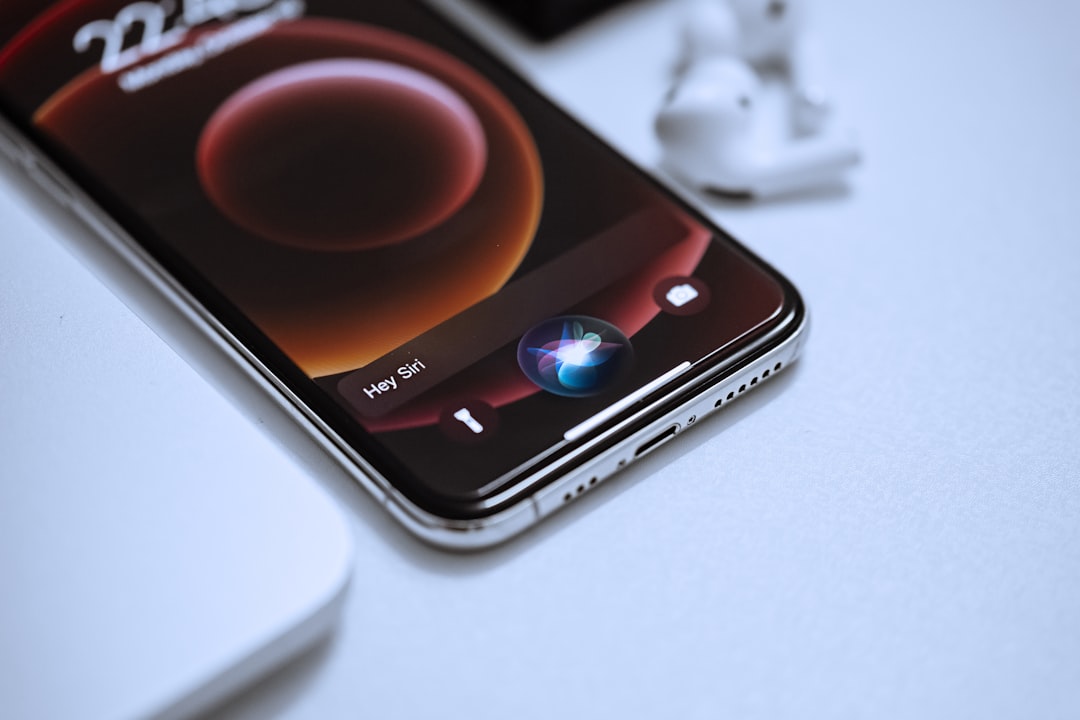
Additionally, modern smartphones offer built-in call blocking features and apps designed specifically to combat robocalls. Installing such tools can help filter out suspicious or unwanted calls. If despite these measures you continue to receive harassing or fraudulent robocalls, seeking legal counsel is an option. Consulting with a lawyer specializing in consumer rights and telemarketing laws, especially regarding the potential for suing for robocalls in Pennsylvania, can provide guidance on available remedies.