Georgia has enacted strict robocall laws to combat unwanted automated calls, requiring businesses to obtain explicit consent for prerecorded messages. An app is being tested to block robocalls using advanced algorithms and databases, aiming to minimize false positives while significantly reducing unwanted calls. The app's success depends on industry collaboration and consumer education. Georgia's initiative could inspire national action against robocalls, demonstrating the effectiveness of technological solutions in consumer protection.
With robocalls reaching unprecedented levels, Georgia, like many states, has faced the challenge of protecting its residents from persistent automated calls. These unwanted interactions not only disrupt daily life but also contribute to growing frustration with communication laws. In response, Georgia has implemented and tested innovative solutions, including apps designed to block these relentless robocalls. This article delves into the effectiveness of such applications, exploring how they leverage advanced technologies to comply with and strengthen state robocall laws in Georgia. By examining real-world examples, we aim to provide valuable insights for residents seeking relief from intrusive automated calls.
Understanding Robocall Laws in Georgia

Georgia has implemented specific robocall laws to protect residents from unwanted and persistent automated calls. These regulations are part of a broader effort to mitigate the increasing problem of robocalls, which have become a significant nuisance for many Americans. The Georgia laws aim to balance the need for legitimate marketing efforts with the protection of consumers’ privacy and peace of mind.
Under the Georgia robocall laws, businesses and organizations are prohibited from making automated telephone calls to individuals without their prior explicit consent. This includes calls using prerecorded messages or artificial voices. Violations can result in substantial fines, underscoring the state’s commitment to enforcing these regulations. For instance, a 2022 report by the Federal Communications Commission (FCC) revealed that Georgia had one of the highest rates of consumer complaints related to robocalls, highlighting the need for stringent enforcement.
To comply with these laws, businesses must obtain explicit consent from consumers before initiating automated calls. This can be achieved through opt-in mechanisms on websites or during sales interactions. Additionally, Georgia residents have the right to register their phone numbers on the National Do Not Call Registry, further limiting robocalls. By understanding and adhering to these robocall laws, businesses can ensure they maintain compliance while respecting consumers’ rights in the digital age.
Testing the App: Blocking Persistent Calls

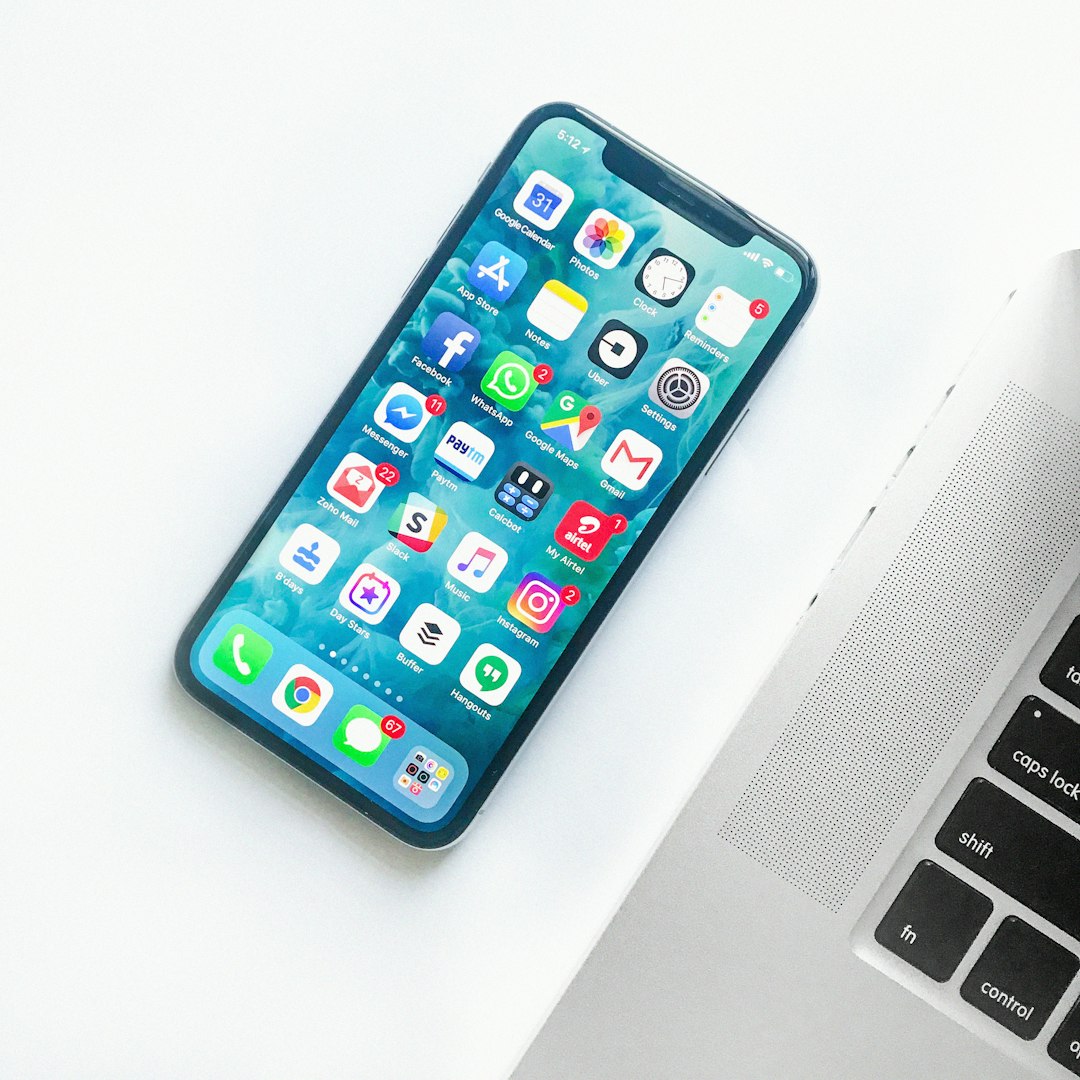
To combat the persistent robocalls plaguing Georgia residents, state lawmakers have introduced legislation aimed at strengthening consumer protections. At the heart of these efforts is the development and testing of an app designed to block unwanted calls. The app represents a promising solution, leveraging advanced algorithms to identify and filter out robocalls before they reach users’ phones.
The testing phase involves a rigorous evaluation process, ensuring the app’s effectiveness across various call types and scenarios. Researchers employ a comprehensive dataset comprising known robocalls and legitimate calls to train and refine the app’s predictive models. This includes analyzing call patterns, caller ID data, and voice signatures to differentiate between genuine communications and automated fraud. For instance, the app may learn to recognize specific dialer behaviors or unusual call durations, which are common indicators of robocalls.
During testing, the app undergoes several trials, simulating real-world conditions. It faces a battery of tests, including calls from known spammers, legitimate businesses, and even personal numbers to ensure its versatility. The performance metrics are closely monitored, with particular attention paid to false positives and negatives. For example, an effective blocking app should minimize misclassifying legitimate calls as robocalls while significantly reducing the volume of unwanted calls reaching users. This ensures that Georgians can focus on meaningful conversations without being bombarded by persistent robocallers.
Implementing Solutions for Effective Protection

Georgia has recognized the growing problem of robocalls and taken a proactive step by testing an app designed to block these persistent intruders. The state’s approach to addressing this issue is commendable, offering a practical solution that could significantly enhance consumer protection. This initiative comes at a pivotal moment, as robocalls have reached epidemic levels, with Georgia residents bearing the brunt of these unwanted calls.
The app, tailored to meet Georgia’s specific needs, leverages advanced technologies to identify and block robocalls. By employing sophisticated algorithms and databases that constantly update, it can distinguish between legitimate calls and automated spam. This approach ensures that individuals in Georgia are not only protected from intrusive robocalls but also reduces the burden on law enforcement and regulatory bodies. For instance, a recent study by the Federal Communications Commission (FCC) revealed that Americans receive an average of 15.5 robocalls per month, with many of these calls originating from outside the country, making traditional blocking techniques ineffective.
Implementing such a solution requires a multi-faceted strategy. First, collaboration between telecommunications providers and app developers is crucial to ensure widespread adoption and compatibility. Second, educating consumers about the app’s capabilities and privacy implications is essential for building trust. As Georgia continues to refine its approach, other states may follow suit, creating a robust national defense against robocalls. Ultimately, this innovative use of technology demonstrates that effective protection from robocalls is achievable, providing much-needed relief to citizens across the nation.