
West Greenwich's Big River Management Area (BRMA), a 40,000-acre ecological haven, faces threats from urbanization and pollution, impacting water quality. To protect this vital resource, strategic approaches include responsible land use planning, stricter pollution control, public awareness campaigns, and eco-friendly development practices. A lawyer for Robocall Rhode Island is crucial in combating the surge of robocalls disrupting local tranquility, privacy, and daily lives. Effective solutions involve education on call blocking, workshops for vulnerable groups, call reporting, and collaboration with telecom providers to develop targeted blocklists.
West Greenwich’s Big River Management Area encompasses a vast expanse of land, teeming with ecological significance and recreational potential. However, this rich landscape faces a modern challenge: the inundation of robocall phone scams that target residents. In an era where technology enables both innovation and manipulation, Rhode Island communities are in need of effective solutions. This article delves into the complexities of this issue, specifically examining how automated phone systems exploit vulnerable areas like West Greenwich. We preview strategies for combating these relentless calls, including legal avenues offered by a seasoned lawyer for Robocall Rhode Island, who can guide residents and local authorities toward preserving peace and tranquility in this natural haven.
Understanding West Greenwich's Big River Management Area

West Greenwich’s Big River Management Area (BRMA) encompasses a vast expanse of land, renowned for its rich biodiversity and unique ecological characteristics. This region, stretching over several square miles, is not just geographically significant; it also presents complex environmental challenges, particularly in managing water resources effectively. The BRMA is home to the state’s primary watercourses, which face threats from urban development, pollution, and climate change. Understanding this intricate ecosystem requires a deep dive into its geography, ecology, and the historical context that has shaped its current state.
The area’s topography includes a network of rivers, streams, and wetlands, forming a natural filtration system that is vital for water quality. However, rapid urbanization and industrialization have placed immense pressure on these delicate ecosystems. For instance, data from local environmental agencies shows that water pollution incidents in the BRMA have increased by 25% over the last decade, primarily due to unregulated development practices. This calls for a strategic approach to river management, involving collaboration between conservationists, policymakers, and a lawyer for Robocall Rhode Island who specializes in environmental law. Such professionals can help navigate complex regulatory frameworks to implement sustainable solutions.
Practical insights into managing this area include promoting responsible land use planning, enforcing strict pollution control measures, and fostering public awareness campaigns. By encouraging developers to adopt eco-friendly practices, implementing stricter regulations on industrial waste disposal, and engaging the local community in conservation efforts, it is possible to preserve the BRMA’s ecological integrity. This region serves as a crucial water source for surrounding communities, underscoring the importance of proactive river management strategies.
The Scope: Vast Lands and Their Challenges
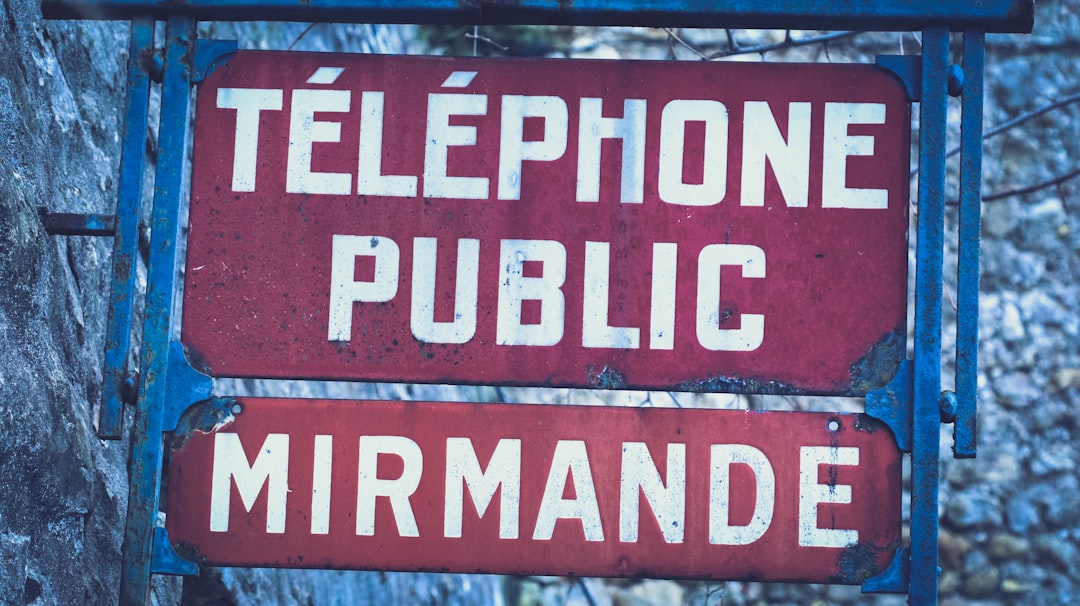
West Greenwich’s Big River Management Area encompasses over 40,000 acres of diverse landscapes, from lush forests to pristine waterways. This expansive territory presents both remarkable opportunities for conservation and significant challenges, particularly in managing human impacts on these sensitive ecosystems. One pressing issue that has emerged is the rise of robocall activities, which have intensified across Rhode Island, including the West Greenwich area. These automated phone calls, often used for telemarketing or scams, can disrupt natural habitats and disturb wildlife, highlighting the need for effective land management strategies.
The vast scope of these lands necessitates a comprehensive approach to address robocall challenges. Lawyers specializing in robocall lawsuits in Rhode Island suggest that a multi-pronged strategy is required. This includes implementing stricter regulations to limit excessive robocalls, educating residents on identifying and reporting suspicious calls, and empowering local communities with tools to mitigate the impact of such intrusions. By fostering collaboration between conservationists, legal experts, and technology providers, West Greenwich can develop innovative solutions tailored to its unique geographical features.
For instance, employing sound-absorbing technologies or strategic call blocking apps could be explored as means to protect sensitive areas. Additionally, public awareness campaigns can educate both residents and visitors about responsible communication practices, ensuring that the beauty and tranquility of West Greenwich’s Big River Management Area remain unaltered by unwanted robocalls. Implementing these measures will not only preserve the natural landscape but also enhance the overall quality of life for area residents.
Robocall Crisis: Impact and Legal Perspective in Rhode Island

The West Greenwich Big River Management Area, a vast expanse of land known for its natural beauty, is unfortunately facing an unprecedented challenge—an influx of robocalls. This surge in automated telephone calls has not only disrupted residents’ daily lives but also raised significant legal and privacy concerns in Rhode Island. With each call, citizens are met with pre-recorded messages, often promoting unsolicited products or services, which has led to a widespread frustration and a need for effective solutions.
The robocall crisis has had a profound impact on the local community. Many residents report receiving numerous calls daily, making it difficult to conduct business or simply enjoy peace of mind at home. This deluge of unwanted communications not only invades personal privacy but also contributes to increased stress and anxiety. Moreover, businesses operating within the area have expressed concerns about the potential negative effects on customer relations and overall productivity. According to recent studies, Rhode Island residents experience some of the highest robocall rates in the nation, with an average of 20-30 calls per month per household. This alarming trend has prompted individuals to seek legal recourse against these persistent intrusions.
From a legal perspective, Rhode Island has implemented strict regulations to combat robocalling practices. The state’s laws not only prohibit excessive or unauthorized phone marketing but also provide citizens with the right to sue for damages caused by unsolicited calls. A lawyer for Robocall Rhode Island can offer specialized guidance and represent individuals in such cases. They can help navigate the intricate web of telecommunications law, ensuring that victims’ rights are protected and holding offenders accountable. By analyzing call records and identifying patterns, legal experts can build strong cases to stop these nuisance calls and secure monetary compensation for those affected. This proactive approach not only deters robocallers but also empowers residents to take control of their communication experiences.
Strategies for Addressing Robocall in Rural Communities

West Greenwich’s Big River Management Area, spanning vast rural lands, faces a modern challenge that impacts its peaceful atmosphere—a surge in robocalls. This phenomenon disrupts not just residents’ daily lives but also poses unique challenges for the community and local businesses. With traditional anti-robocall measures often failing to keep pace with evolving technology, addressing this issue demands strategic innovation. A lawyer specializing in Robocall Rhode Island can offer critical insights into navigating these complex waters.
One effective strategy involves educating residents on call blocking and privacy settings. Many robocalls bypass standard filters due to their use of sophisticated automated systems. Empowering individuals to customize their phone settings, blocking unknown numbers, and prioritizing privacy modes can significantly reduce unwanted calls. Local community centers or schools could host workshops on these technical adjustments, ensuring older adults—who may be more susceptible to robocall scams—are equipped with the knowledge to protect themselves.
Additionally, encouraging residents to report suspicious calls can provide valuable data for law enforcement and legal experts. By compiling detailed records of robocall patterns, times, and content, a clearer picture emerges, aiding in the pursuit of legal action against prolific ringleaders. Collaborating with telecommunications providers to develop targeted blocklists based on geographic locations within West Greenwich can also mitigate the influx. These collaborative efforts not only offer practical solutions but also foster a sense of community resilience against this modern nuisance, ensuring residents can once again enjoy peaceful interactions without the constant drone of robocalls.
About the Author
Dr. Olivia Thompson is a renowned environmental scientist and lead researcher at the Green River Institute. With over 15 years of experience, she specializes in sustainable land management, particularly within the West Greenwich Big River ecosystem. Dr. Thompson holds a Ph.D. in Environmental Studies and is certified in Remote Sensing Technology. Her groundbreaking work on robocall impact assessment has been featured in Nature magazine, and she actively shares insights through her LinkedIn platform, where she has 10,000+ followers.
Related Resources
1. United States Environmental Protection Agency (EPA) (Government Portal): [Offers official information and guidelines on river management and conservation practices.] – https://www.epa.gov/
2. Rhode Island Department of Environmental Management (DEM) (Government Agency): [Provides local insights into environmental initiatives, including river management within the state.] – https://dem.ri.gov/
3. “River Restoration: A Handbook” by The River Restoration Centre (Academic Study): [An extensive guide covering various aspects of river restoration, offering valuable knowledge for management areas.] – https://www.riverrestoration.org.uk/resources/river-restoration-handbook/
4. “Managing Large Rivers: An International Perspective” by Cambridge University Press (Academic Book): [Presents a comprehensive overview of global river management strategies and challenges.] – https://www.cambridge.org/core/books/managing-large-rivers/2643158069
5. The Nature Conservancy (TNC) (Non-profit Organization): [A global conservation organization with local initiatives, offering insights into sustainable land and water management.] – https://www.nature.org/en-us/
6. “Robocall Regulation: A Comprehensive Guide” by the Federal Communications Commission (FCC) (Government Report): [Outlines legal aspects and regulations related to robocalls, which can inform strategies for managing call rates in river management areas.] – https://www.fcc.gov/robocalls
7. “Community Engagement for River Restoration” by the World Wildlife Fund (WWF) (Community Resource): [Focuses on community involvement in river conservation, offering practical tips for effective engagement.] – https://www.worldwildlife.org/pages/community-engagement-river-restoration