Robocall laws in North Dakota, enforced by the Attorney General's Office, protect residents from unsolicited calls. Consumers can combat robocalls through the National Do Not Call Registry, call-blocking apps like TrueCall, Hiya, and AI-driven tools like NoMo Robocalls, which identify and block spam. Advanced apps offer effective solutions, reducing unwanted calls significantly. Staying informed about robocall laws North Dakota and using these tools provides a robust defense against persistent robocalls.
In the digital age, robocalls have become a pervasive nuisance across North Dakota, as they do in many states, posing a significant challenge to citizens’ privacy and peace of mind. These automated phone calls, often delivering unsolicited marketing messages or fraudulent schemes, are protected by federal robocall laws, making their prevention crucial. While traditional methods may falter, popular apps designed specifically for robocall blocking offer a robust solution. This article delves into the most effective apps tailored to North Dakota’s legal framework, equipping residents with powerful tools to reclaim control of their phone lines and enjoy a quieter, safer communication environment.
Understanding Robocall Laws in North Dakota

In North Dakota, as across the United States, robocalls have become a ubiquitous yet often unwanted aspect of daily life. Understanding the robocall laws North Dakota is crucial for consumers seeking to mitigate these intrusive calls. The Telephone Consumer Protection Act (TCPA) and subsequent Federal Communications Commission (FCC) regulations form the backbone of these laws, aiming to protect individuals from unsolicited telephone solicitations and automated calls. Notably, the TCPA prohibits robocalls made to phone numbers on the National Do Not Call Registry unless the caller obtains prior explicit consent.
North Dakota’s Attorney General’s Office plays a vital role in enforcing these robocall laws North Dakota. They actively investigate complaints related to telemarketing fraud and unauthorized robocalls, working closely with telephone service providers and law enforcement agencies. Consumers can file complaints through the Attorney General’s website or by contacting their local law enforcement agency. Data from the FCC reveals that robocall complaints have been steadily rising, highlighting the persistent nature of this issue. In 2021, North Dakota ranked among states with a high volume of TCPA-based lawsuits, underscoring the importance of staying informed about one’s rights and available protections.
To effectively combat robocalls, consumers in North Dakota can take several practical steps. First, register for the National Do Not Call Registry at donotcall.gov. This federal registry prohibits most telemarketers from calling numbers listed on it. Second, utilize consumer-grade call-blocking apps that filter out known robocallers and unwanted calls. Several reputable options are available, offering varying degrees of sophistication and customization. Lastly, stay informed about changes in robocall laws North Dakota and share this knowledge with friends and family to empower collective action against unsolicited and harassing calls.
Identifying and Blocking Common Robocalls
In North Dakota, as across the nation, robocalls remain a persistent nuisance, with scammers exploiting loopholes in robocall laws to inundate consumers with unwanted calls. However, several robust apps offer effective solutions for identifying and blocking common robocalls, providing residents with much-needed respite. These applications leverage advanced algorithms and community-driven data to detect and filter out fraudulent calls, ensuring a safer and less cluttered communications environment.
One standout app is TrueCall, which utilizes machine learning to recognize patterns in spam calls. It maintains an extensive database of known robocallers, continuously updated by its user community. When a call comes in, TrueCall analyzes various factors—from the caller’s number to the call content—to determine if it’s a legitimate call or a potential scam. If flagged as a robocall, it blocks the number automatically, preventing future calls from that source. Another notable mention is Hiya, which not only identifies robocalls but also provides detailed information about the callers, including their location and reputation within the community. This level of transparency empowers users to make informed decisions about whether to answer or block incoming calls.
Additionally, apps like CallGuard and NoMo Robocalls offer robust blocking features backed by advanced AI technologies. These platforms operate by analyzing call patterns and user feedback to create a dynamic filter that adapts to new robocall schemes. By employing machine learning, these apps can detect even the most sophisticated spam campaigns, ensuring that North Dakotans stay protected under the state’s robocall laws, which mandate transparency and consent for telemarketing calls. Users can expect significant reductions in unwanted calls, enhancing their overall communication experience and peace of mind.
Top Apps for Effective Robocall Protection

In North Dakota, as across the nation, robocalls remain a persistent nuisance. According to recent data from the Federal Communications Commission (FCC), millions of unwanted calls are made daily, with a significant portion targeting residents in North Dakota. The good news is that consumers now have access to a variety of powerful tools and apps designed to combat this issue head-on. These applications leverage advanced technologies like artificial intelligence and machine learning algorithms to identify and block robocalls, providing much-needed relief from intrusive automated calls.
Among the top apps gaining traction for effective robocall protection are Hiya, TrueCall, and NoCall. Hiya, for instance, has established itself as a leading force in this space by analyzing over 50 billion calls annually. Its robust database of known robocaller numbers allows it to block not just suspected spam calls but also new, emerging patterns that other services might miss. TrueCall offers a comprehensive suite of features, including call identification and blocking, call history, and the ability to report spam directly from the app. NoCall distinguishes itself by working seamlessly with existing home security systems, creating an integrated defense against robocalls in addition to other forms of unwanted communication.
The effectiveness of these apps is underscored by recent studies showing a significant drop in reported robocalls in areas where their usage has surged. While no single solution can be a silver bullet, combining these tools with the knowledge of North Dakota’s robocall laws offers residents a multi-layered defense against unwanted calls. It’s crucial for consumers to stay informed about their rights and the latest technological advancements in order to fully leverage these resources, ensuring a safer, less disruptive communication experience.
Personalizing Your Defense Against Robocalls

In North Dakota, as across the nation, robocalls remain a persistent nuisance. While federal laws like the Telephone Consumer Protection Act (TCPA) offer some protections, personalizing your defense against these automated calls is crucial. The first step involves understanding that not all robocalls are created equal. Some are targeted based on your specific phone number or location, while others are random or use sophisticated techniques to bypass existing filters.
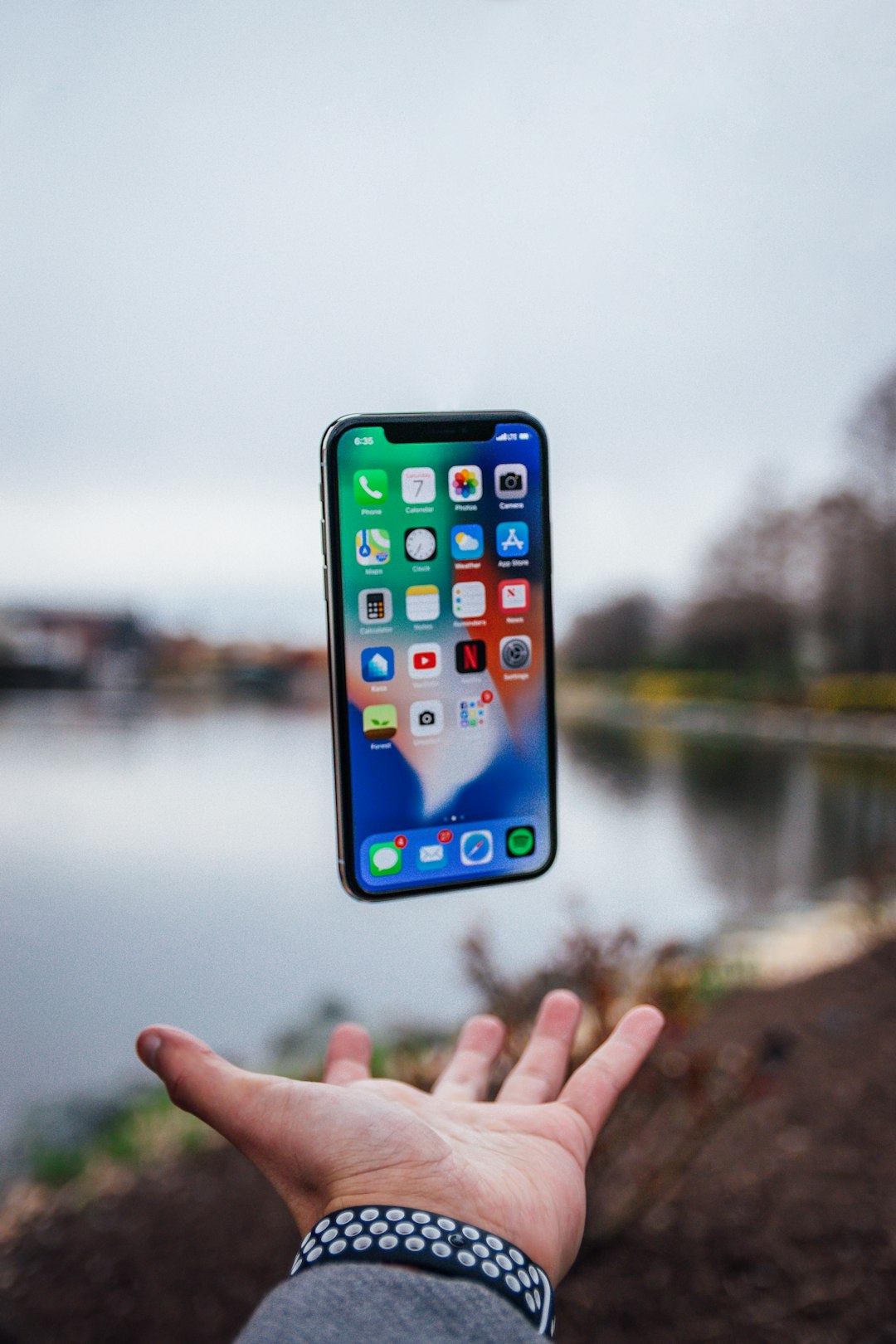
Personalization means equipping yourself with tools and knowledge tailored to your unique circumstances. Consider downloading reputable mobile apps designed to block or screen out robocalls. Applications like TruthFinder, NoMoRobo, or Hiya offer advanced AI-driven algorithms that can learn and adapt to new call patterns. These apps not only identify and block unwanted calls but also provide insights into the types of robocalls you’re receiving, helping you refine your defensive strategies.
Additionally, take advantage of built-in call-blocking features in your smartphone’s settings or third-party call management applications. North Dakota’s robocall laws empower consumers to take proactive measures, and leveraging these tools is a key step in that direction. Remember, though, that personalization goes beyond technology. Regularly reviewing and updating your contact lists, being cautious about sharing your phone number publicly, and educating yourself on emerging robocall tactics are all part of building a comprehensive defense against these unwanted intrusions into your personal space.