
North Dakota's robocall laws, governed by the TCPA and state regulations like those from the North Dakota Public Service Commission, require explicit consent for automated calls. Residents can protect themselves by registering on the National Do Not Call Registry, using call-blocking apps like TrueCall and Hiya, and keeping software updated. Businesses must verify consent through opt-in mechanisms and maintain detailed records of consumer preferences to comply with these stringent laws.
In the digital age, robocalls have become a pervasive nuisance, especially in North Dakota where residents, like many across the nation, face an escalating tide of unsolicited calls. These automated messages, often promoting products or services, can be annoying and even dangerous, as they may conceal fraudulent schemes. Navigating this modern challenge requires sophisticated solutions, particularly when relying on existing robocall laws for protection. This article offers a comprehensive guide to popular apps designed to combat robocalls in North Dakota, providing an informed toolkit for residents seeking to regain control of their communication channels and ensure safety in the digital landscape.
Understanding Robocall Laws in North Dakota

In North Dakota, as across the nation, robocalls have become a ubiquitous yet nuisance aspect of modern communication. Understanding the robocall laws in North Dakota is crucial for both consumers and businesses aiming to mitigate these automated calls. The Telephone Consumer Protection Act (TCPA) forms the legal backbone, prohibiting automated calls without prior express consent from recipients. This federal law extends to state-level regulations, such as those enforced by the North Dakota Public Service Commission, which oversee telephone solicitations.
North Dakota’s robocall laws are designed to protect residents from unwanted and deceptive marketing practices. Businesses engaging in telemarketing activities must adhere strictly to these rules, ensuring calls are initiated only with explicit consent. Consents can be withdrawn at any time, further emphasizing the rights of individuals to control their communication preferences. For instance, a 2021 report by the Federal Trade Commission (FTC) revealed that over 40% of North Dakota residents had registered on the national “Do Not Call” list, underscoring the widespread desire to reduce robocalls.
Practical implementation involves businesses verifying consent through opt-in mechanisms and maintaining comprehensive records of consumer preferences. Consumers, too, have tools at their disposal, like registered service providers that filter out known robocallers and advanced call-blocking apps tailored to North Dakota’s legal framework. By staying informed about these laws and leveraging available resources, both residents and businesses can contribute to a more peaceful communication landscape, free from unwanted robocalls.
Identifying and Blocking Common Robocallers

In North Dakota, as across the nation, robocalls remain a persistent nuisance, often posing as legitimate calls from financial institutions, government agencies, or healthcare providers. Identifying and blocking these automated intruders is crucial given the prevalence of robocall laws in North Dakota that protect consumers from unwanted calls. Advanced call-blocking apps have emerged as powerful tools to combat this issue. These applications leverage sophisticated algorithms and community-driven intelligence to recognize patterns associated with robocalls.
One popular approach involves analyzing caller ID data, which often contains clues indicating a potential robocall. Apps like TrueCall and Hiawatha block known robocaller numbers based on shared community data. Additionally, they employ machine learning to adapt to new strategies employed by scammers. For instance, some apps can distinguish between live agents and automated systems by analyzing call patterns and speech content, effectively filtering out unwanted calls even if they mask their origins.
Furthermore, these blocking applications often integrate with the North Dakota Public Utilities Commission’s Do Not Call registry, ensuring compliance with local robocall regulations. By combining advanced technology with community participation, these apps offer a robust defense against robocalls, providing users in North Dakota with greater peace of mind and control over their communication channels.
Top Apps for Effective Robocall Protection
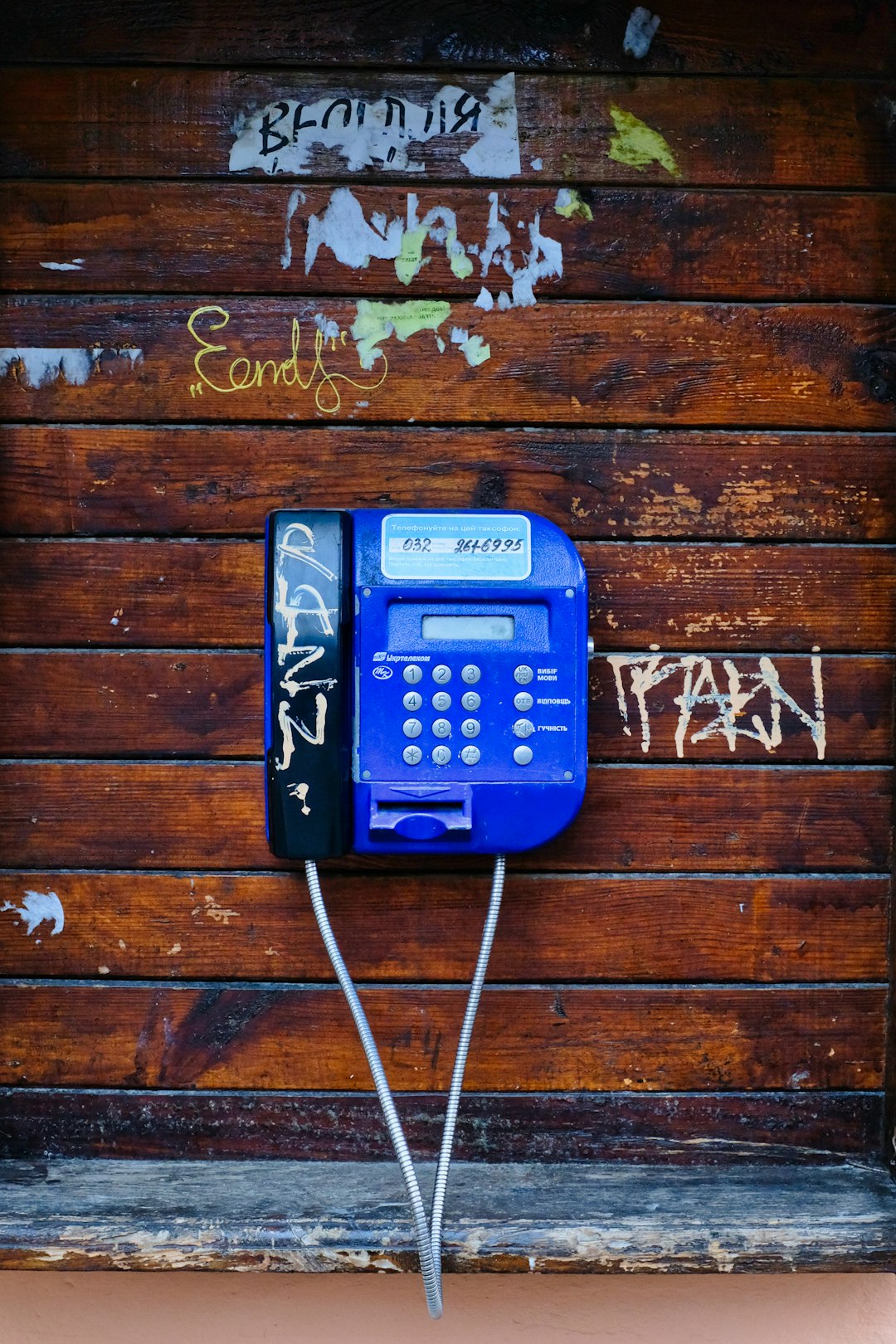
In North Dakota, as across the nation, robocalls remain a pervasive and frustrating issue for many residents. According to recent data from the Federal Communications Commission (FCC), millions of unwanted calls are made daily, with a significant portion targeted at individual states. To combat this growing concern, several robust apps have emerged, offering effective protection against robocalls under North Dakota’s existing robocall laws. These applications leverage advanced algorithms and crowd-sourced data to identify and block these nuisance calls.
One of the top-rated apps in this category is Hiya. This powerful tool analyzes incoming calls, identifying patterns indicative of spam or scams. By utilizing machine learning and community reporting, Hiya can accurately flag robocalls with impressive accuracy rates. Another notable mention is TrueCall, which offers a comprehensive suite of call-blocking features, including the ability to filter out specific numbers based on user preferences. The app also provides detailed call history and blocking analytics, empowering users to stay informed about their protection levels.
Additionally, apps like NoCall and CallGuard have garnered praise for their effectiveness in North Dakota. NoCall, for instance, integrates seamlessly with landline and mobile phones, providing a unified defense against unwanted calls. It employs dynamic filtering techniques that adapt to emerging trends in robocall tactics, ensuring continued protection as these methods evolve under the state’s anti-robocall legislation. CallGuard stands out for its comprehensive privacy features, allowing users to block not only robocalls but also unknown callers and spam messages. By leveraging cutting-edge technology and staying aligned with North Dakota’s robocall laws, these apps offer a robust line of defense against intrusive calls, providing peace of mind for residents across the state.
North Dakota's Legal Rights Against Robocalls

In North Dakota, the fight against robocalls is not just a consumer issue but a legal one as well. The state has implemented robust robocall laws to protect residents from unsolicited phone marketing calls, offering them significant rights and remedies. These laws empower North Dakotans to take action against intrusive robocalls, ensuring a more peaceful and private communication environment.
North Dakota’s robocall laws are designed to provide clarity and protection to consumers. According to the North Dakota Century Code, businesses engaging in telemarketing activities must comply with strict regulations. This includes obtaining explicit consent from recipients before initiating automated or prerecorded calls. Residents have the right to refuse these calls by simply asking to be removed from the caller’s list. Moreover, the state has established penalties for violators, including fines and legal actions, to deter abusive telemarketing practices.
One of the key advantages for North Dakota residents is the ability to register their phone numbers on the National Do Not Call Registry. This federal program allows individuals to curb most unwanted calls, including robocalls, from marketing entities. Interestingly, a 2022 study by the Federal Trade Commission (FTC) revealed that North Dakota had one of the highest registration rates in the nation for this registry, demonstrating the state’s commitment to consumer privacy. By leveraging these legal tools and registrations, residents can significantly reduce the volume of robocalls they receive.
Additionally, consumers can employ practical measures like utilizing approved call-blocking apps, which are designed to identify and prevent robocalls from reaching their lines. Several reputable options offer advanced call screening and blocking features tailored to North Dakota’s legal framework. By combining these technological tools with their legal rights, residents can take a proactive approach to combat the nuisance of robocalls, ensuring a safer digital environment.
Advanced Techniques to Stop Robocalls Now

In the age of persistent robocalls, North Dakota residents, like many across the nation, are seeking advanced techniques to regain control over their phone lines. According to recent data from the Federal Communications Commission (FCC), robocalls remain a significant nuisance, with millions of unwanted calls inundating American phones daily. The Robocall Laws in North Dakota provide consumers with certain protections, but advanced strategies are essential for comprehensive relief.
One effective method is the implementation of sophisticated call-blocking technologies. These applications employ machine learning algorithms to analyze and identify patterns in incoming calls, distinguishing between legitimate contacts and automated robocalls. For instance, apps like TrueCall and Hiya utilize extensive databases of known robocallers and unknown numbers, allowing users to block or screen calls with high accuracy. Additionally, these platforms often offer real-time call analytics, providing insights into the types of calls received and helping users tailor their blocking settings accordingly.
Another powerful technique involves registering on the National Do Not Call Registry. While this federal list primarily blocks telemarketing calls, it can also significantly reduce robocalls. North Dakotans should ensure their phone numbers are registered to maximize protection under the Telemarketing Sales Rule (TSR), a crucial component of the Robocall Laws in the state. Moreover, keeping call-blocking software up to date and utilizing features like automated call filtering can enhance personal defenses against these unwanted intrusions. By combining technological advancements with legal protections, residents can more effectively navigate the complex landscape of robocall mitigation.