Robocalls are a significant issue in Georgia, with many being fraudulent. The Telephone Consumer Protection Act (TCPA) regulates automated calls to mobile phones without consent. The Georgia Attorney General's Office prosecutes robocall scams, imposing fines. A robocall Attorney Georgia helps individuals and businesses understand their rights and navigate legal complexities.
Effective solutions include robust mobile apps like TrueCall and NoMo that block robocalls using AI and machine learning. Users should combine app usage with vigilance against evolving scams targeting low loan rates, government impersonation, or payment demands.
Reporting scams to the Federal Trade Commission (FTC) is crucial for tracking sources and identifying patterns. Georgia residents have legal rights under TCPA and state-level measures to sue for damages from unwanted robocalls.
Choosing an anti-robocall solution requires apps with advanced AI algorithms, clear data handling practices, and robust security. Consulting a robocall Attorney Georgia ensures effective and legally sound protection.
In the digital age, robocalls have become a ubiquitous yet unwanted nuisance, particularly in Georgia where residents face a deluge of automated calls daily. The rise of these unsolicited phone marketing tactics has prompted a need for effective solutions, especially with the ever-evolving methods employed by call centers. As a trusted resource for consumers, this article delves into the top-rated app designed to combat robocalls in Georgia. We provide an authoritative analysis, highlighting its features and effectiveness, to empower residents with a powerful tool against these persistent intruders, offering peace of mind and the reassurance that comes from being in control.
Understanding Robocalls and Their Legal Implications in Georgia

Robocalls have become a pervasive nuisance across the United States, including Georgia, with an estimated 40 billion automated calls made annually, according to recent studies. While many robocalls offer legitimate services or promote important announcements, a significant portion is comprised of fraudulent or unwanted calls designed to mislead and manipulate recipients. In Georgia, as in other states, these calls have legal implications that cannot be overlooked.
Georgia law, like that of many states, has specific regulations addressing robocall practices. The Telephone Consumer Protection Act (TCPA) prohibits automated phone systems from calling mobile phones without prior express consent. This includes robocalls placing marketing messages or making sales pitches. Furthermore, the Georgia Attorney General’s Office actively prosecutes cases involving scam robocalls, emphasizing the state’s commitment to protecting consumers from fraudulent activities. Fines for violations can be substantial, reaching up to $500 per call in some instances.
A robocall attorney in Georgia plays a crucial role in navigating this complex legal landscape. They assist individuals and businesses in understanding their rights under TCPA regulations and help them formulate strategies to mitigate and respond to robocalls effectively. With the ever-evolving nature of robocall technologies and tactics, staying informed about legal protections is essential for anyone looking to minimize unwanted calls. Expert legal counsel ensures that individuals and entities are not only compliant with state and federal laws but also equipped to defend against potential legal actions related to robocall interactions.
Top App Choices to Block Robocalls Effectively
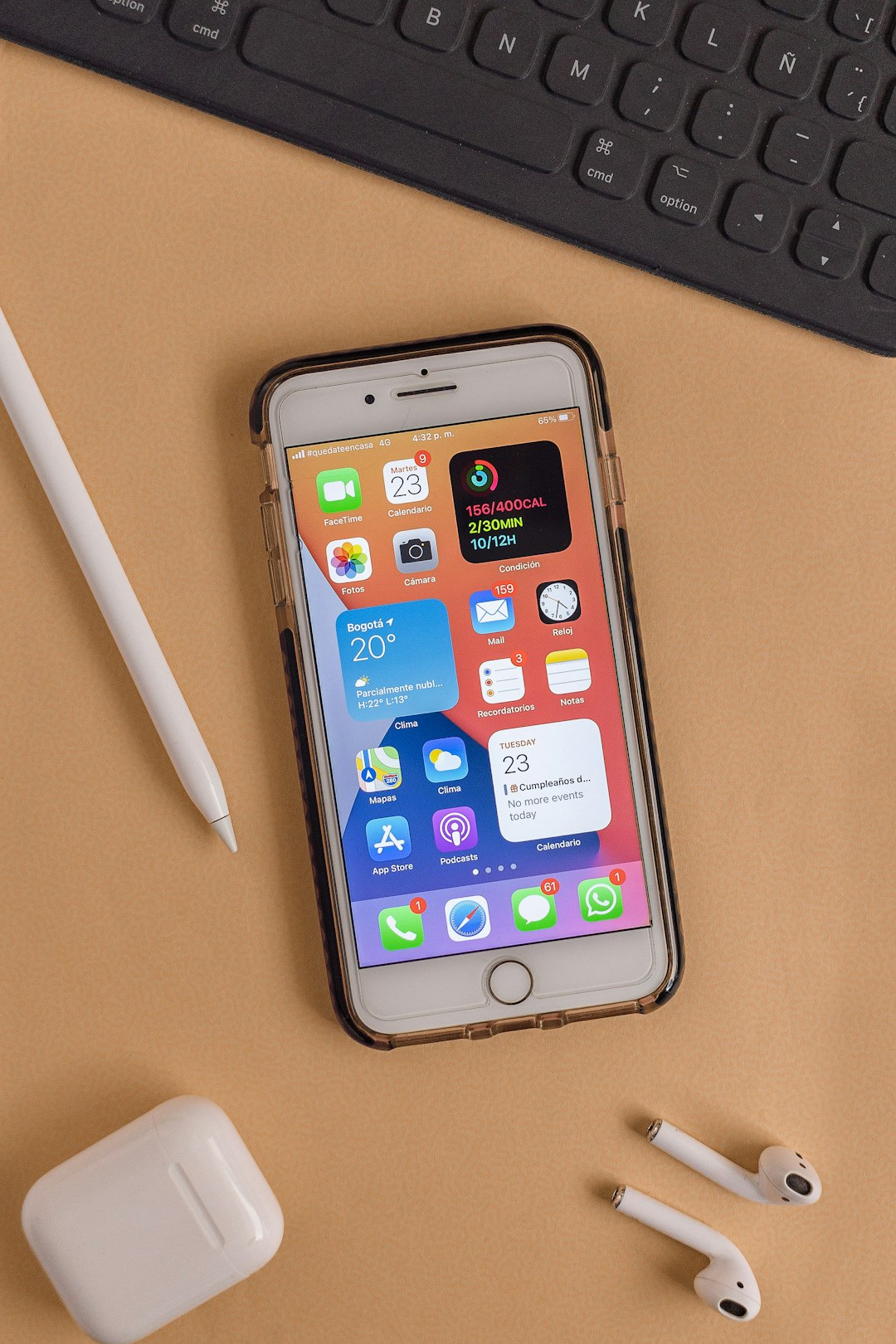
In Georgia, as across the nation, robocalls have become a ubiquitous nuisance, with millions of Americans falling victim to these automated phone calls each year. The good news is that effective solutions exist to combat this growing problem. Among the top tools available are robust mobile applications designed specifically to block robocalls. These apps leverage advanced technologies like AI and machine learning algorithms to identify and filter out unwanted calls, providing users with much-needed peace of mind.
One highly regarded option is TrueCall, an app that has garnered significant praise from both consumers and experts alike. TrueCall offers a comprehensive suite of features, including automatic robocall detection, call blocking, and detailed call analytics. The app’s advanced filtering system utilizes machine learning to continuously improve its accuracy in identifying and blocking not just typical robocalls but also emerging scam patterns. Another notable mention is NoMo, an intuitive and user-friendly application that employs similar AI-driven technologies. NoMo stands out for its ease of use and robust community feedback system, allowing users to contribute to the app’s ongoing improvement by reporting suspicious calls.
While these apps offer powerful protection against robocalls, it’s essential to approach their use with an informed strategy. For instance, combining app usage with a critical mindset is crucial. Users should remain vigilant, verifying the authenticity of unknown numbers and being wary of potential scam attempts even if the app flags a call as safe. Moreover, staying updated on the latest robocall tactics, as advised by a robocall attorney Georgia-based, can empower individuals to better protect themselves and their personal information. Regularly reviewing and updating app settings and allowing automatic updates ensures that these digital shield remain effective against evolving threats.
How to Identify and Report Robocall Scams
Robocall scams are a persistent threat for residents of Georgia, with new tactics evolving regularly. Identifying these scams requires vigilance and an understanding of common patterns. One of the first steps in combating robocalls is recognizing them as fraudulent attempts. Scammers often use automated dialing systems to make bulk calls, offering unrealistically low interest rates on loans, claiming to be from government agencies, or demanding immediate payment for non-existent issues. A robocall Attorney Georgia can serve as a valuable resource, providing insights into the latest scams and legal protections available.
When a suspicious call is received, several red flags may be raised. For instance, if the caller demands immediate action with threats of legal consequences or requests personal information over the phone, it’s crucial to pause and verify the call’s origin. Official agencies rarely initiate contact via robocalls and will typically provide alternative means of communication. Additionally, do not respond to any prompts asking for confirmation or personal details; legitimate organizations will not pressure you into making such disclosures over the phone.
Reporting these scams is an essential step in protecting yourself and others. The Federal Trade Commission (FTC) offers a simple process for filing complaints about robocalls. By documenting each incident, including call details and any materials used by the scammers, individuals can contribute to a broader understanding of these schemes. This information is invaluable to law enforcement and robocall Attorney Georgia who are working to dismantle these fraudulent operations. Moreover, reporting helps in tracking the source and identifying patterns, enabling more effective legal actions against these perpetrators.
Legal Rights of Residents: Fighting Back Against Robocallers
Georgia residents are protected by federal and state laws designed to combat unwanted robocalls. The Telephone Consumer Protection Act (TCPA) is a comprehensive piece of legislation that restricts how businesses can use automated dialing systems and prerecorded messages to contact consumers. This law grants Georgians substantial legal rights, enabling them to take proactive measures against intrusive robocalls.
One of the key provisions of the TCPA allows individuals to sue for damages if they receive robocalls without prior consent. A robocall Attorney Georgia can help residents navigate this process and understand their entitlements. Residents who experience frequent or malicious robocalls may be eligible for monetary compensation, which can be particularly impactful when considering the high volume of such calls many people endure daily. It’s important to document these calls, including saving call records and any communications related to the robocallers’ activities.
In addition to legal recourse, Georgia consumers have access to specialized apps and services designed to block and identify robocalls. These tools leverage advanced algorithms to analyze incoming calls, filtering out known telemarketers and spamming numbers. By combining these technological solutions with their legal rights, Georgians can effectively fight back against robocallers, reclaiming control over their communication channels and ensuring a more peaceful, uninterrupted daily life.
Choosing the Best Anti-Robocall Solution: A Consumer's Guide
In the ongoing battle against robocalls, choosing an effective anti-robocall solution is a critical step for consumers in Georgia. With numerous applications claiming to block these unwanted calls, navigating this landscape can be daunting. A robust anti-robocall app should offer more than simple blocking; it must employ sophisticated technology and adhere to privacy regulations, ensuring your data remains secure. One key aspect to consider: many apps rely on community-driven reporting, where user-reported numbers are blocked collectively, which may not always be reliable.
Expert recommendations lean towards solutions utilizing advanced AI algorithms that can learn and adapt to new robocall patterns. These algorithms analyze call characteristics, including voice prints and scripts, to identify and block malicious calls more accurately. For instance, some top-rated apps employ machine learning to continuously update their blocking lists, ensuring they stay ahead of evolving robocall tactics. This proactive approach is essential, given that according to a study by the Federal Trade Commission (FTC), Americans received over 56 billion robocalls in 2021, a 43% increase from the previous year.
Moreover, transparency and privacy are cornerstones of choosing the best solution. Reputable apps should provide clear information on how they handle user data, with robust security measures in place. A robocall attorney in Georgia can offer valuable insights into consumer rights and legal protections regarding data privacy. By selecting an app that prioritizes these aspects, you not only safeguard your personal information but also contribute to a more secure digital environment for all. This ensures that your fight against robocalls is both effective and legally sound.