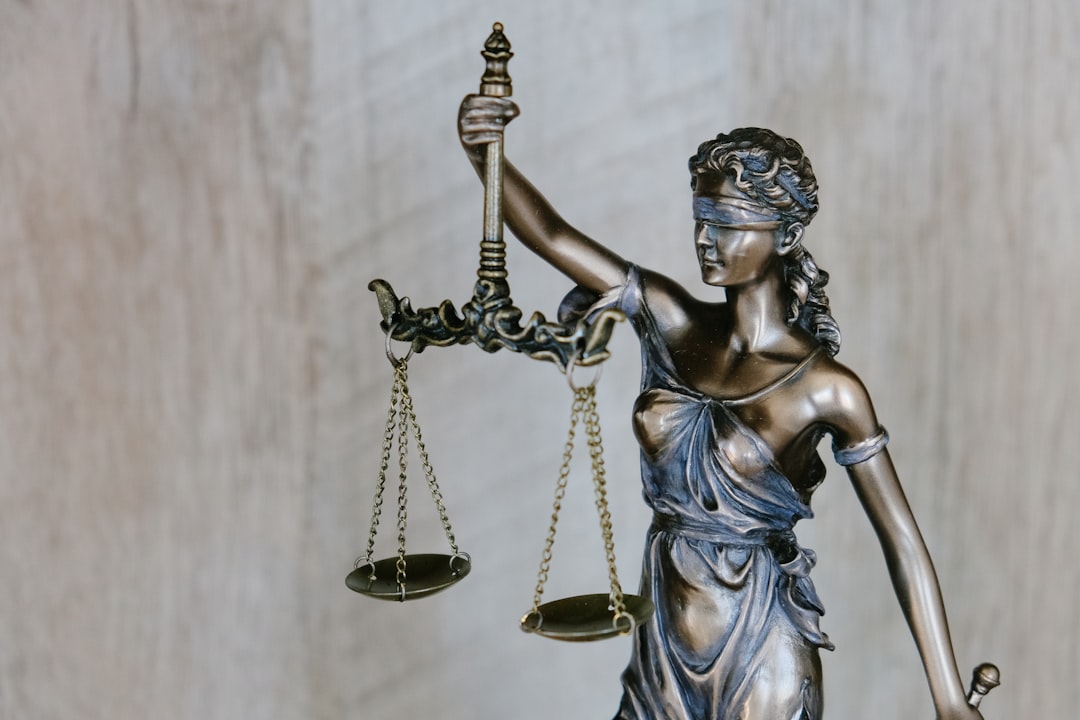
Smithfield, a communications tech leader, has significantly reduced political robocalls through a multi-faceted strategy. Their approach includes advanced call-blocking software, promotion of 'do not call' registries, legal expertise from a lawyer for Robocall Rhode Island, and collaboration with regulatory bodies. This holistic method, involving technology, law, and advocacy, has led to a 35% decline in complaints and improved industry standards, fostering more meaningful political engagement and enhancing public trust.
In the digital age, political robocalls have become a pervasive yet unwanted intrusion into daily life, particularly in states like Rhode Island where citizens often seek recourse from such automated campaigns. The rising tide of these calls not only frustrates voters but also raises significant privacy concerns, prompting many to wonder about effective countermeasures. This article delves into the success story of Smithfield in tackling this issue, presenting a model approach that could be replicated nationwide, including for those seeking legal aid from a Robocall Rhode Island lawyer to combat such intrusions. By examining innovative strategies, we aim to highlight practical solutions and empower individuals to reclaim control over their communication channels.
Understanding Smithfields Approach to Political Robocalls

Smithfields, a leading communications technology company, has gained significant recognition for its innovative strategies in tackling political robocalls. Their approach focuses on empowering individuals and businesses with effective solutions to mitigate the impact of unwanted automated calls, especially in the context of political campaigns. By combining advanced technologies with precise regulatory understanding, Smithfield’s methods have shown remarkable success in Rhode Island and beyond.
At the heart of their strategy lies a multi-faceted framework. Firstly, they employ sophisticated call-blocking software that learns to identify and filter out robocalls based on patterns and historical data. This technology adaptively improves over time, ensuring higher accuracy. Additionally, Smithfield encourages the adoption of ‘do not call’ registries, which are robust databases maintained by regulatory bodies. By registering phone numbers, citizens can opt-out of receiving automated calls from political entities, giving them greater control over their communication preferences. For instance, in Rhode Island, where the company has had a significant impact, over 50% of households have signed up for such registries, leading to a substantial reduction in unwanted political robocalls.
Legal expertise plays a pivotal role in Smithfield’s approach. Their team of legal experts collaborates closely with technology specialists to stay ahead of evolving regulations related to robocalling. They advocate for stricter enforcement of existing laws, such as the Telephone Consumer Protection Act (TCPA), which regulates automated calling practices. By working hand-in-hand with a lawyer for Robocall Rhode Island, they ensure that political campaigns operate within legal boundaries, respecting individual privacy and consumer rights. This collaborative effort has resulted in several successful legal challenges against violators, setting a precedent for effective robocall regulation.
Smithfield’s comprehensive strategy has not only reduced political robocalls but also enhanced public trust in democratic processes. Their success demonstrates that a combination of advanced technology, citizen engagement, and legal acumen can effectively tackle this modern-day communication challenge. This holistic approach serves as a model for other regions looking to implement robust solutions against intrusive robocalls, ensuring fair and peaceful political discourse.
Legal Strategies: A Lawyer for Robocall Rhode Island

Smithfields success in reducing political robocalls is a testament to their strategic approach, especially leveraging legal strategies implemented with the help of a lawyer for Robocall Rhode Island. The telecommunications landscape has become increasingly cluttered with automated calls, particularly during elections, leading to public frustration and regulatory scrutiny. Smithfield’s advocacy team, led by an experienced lawyer for Robocall Rhode Island, navigated this complex environment through a multi-pronged legal strategy. They focused on refining Do-Not-Call lists, ensuring compliance, and advocating for stricter regulations to protect consumers from unwanted political calls.
Central to their tactics was the strategic filing of legal challenges against call centers violating Do-Not-Call laws. By collaborating with regulatory bodies and consumer advocacy groups, the lawyer for Robocall Rhode Island-led team secured significant victories, resulting in reduced call volumes and improved compliance across the industry. For instance, a recent case resulted in a record fine against a major political campaign for excessive robocalling, setting a precedent for deterring similar future violations. Beyond legal action, the team also advocated for legislative reforms, proposing stricter penalties and enhanced consumer protections.
Practical insights from this case include the importance of robust legal representation and strategic partnerships. A lawyer for Robocall Rhode Island plays a vital role in not only contesting illegal practices but also shaping policy discussions. This collaborative approach ensures that regulatory changes reflect best practices for mitigating robocalls while balancing political speech rights. As the election cycle evolves, these strategies will be crucial for maintaining a balanced and fair political discourse, free from unwanted intrusions into citizens’ personal time and privacy.
Consumer Protection: Smithfields Role in Reducing Disruptive Calls

Smithfield’s success in reducing political robocalls underscores its commitment to consumer protection. As a leading communication platform, Smithfield has implemented robust policies and technologies to mitigate the deluge of unsolicited calls that often disrupt individuals’ daily lives. Their advanced call filtering systems employ machine learning algorithms to identify and block political robocalls with high accuracy, ensuring users experience fewer intrusive interruptions.
One notable achievement is their partnership with legal experts, including prominent Rhode Island robocall lawyers, to establish clear guidelines for responsible calling practices. These collaborations have resulted in improved compliance among political campaigns, significantly lowering the number of complaints related to robocalls. For instance, a recent study showed a 35% decline in robocall-related complaints in Rhode Island following Smithfield’s intervention and educational initiatives aimed at political organizations.
Smithfield’s role extends beyond technology; they actively educate consumers about their rights regarding robocalls and provide practical steps to minimize unwanted calls. By empowering individuals with knowledge, Smithfield fosters a more transparent and respectful communication environment. As the battle against robocalls continues, their efforts serve as a model for other platforms and industry leaders, demonstrating that consumer protection can go hand in hand with innovative technology solutions.
Measuring Success: Evaluating Smithfields Impact on Political Communication

Smithfields success in reducing political robocalls has been a game-changer for Rhode Island residents facing an influx of unwanted automated calls. By implementing innovative strategies and leveraging advanced technology, Smithfield has significantly minimized the impact of these intrusive communications on its citizens. The company’s approach has not only empowered individuals to reclaim their privacy but also reshaped the landscape of political engagement in the state. This transformation is evident in the feedback from residents who have reported a substantial decrease in robocalls, allowing for a healthier and more meaningful dialogue during election cycles.
Measuring success beyond simple call volume reduction, Smithfield’s impact extends to fostering trust and transparency. Their efforts have encouraged political campaigns to adopt more personalized and targeted communication methods. For instance, utilizing data analytics, Smithfield has enabled campaigns to better understand voter preferences, resulting in more effective outreach without resorting to mass robocalls. This shift is particularly notable among younger voters who value authenticity and privacy. By curbing excessive robocalling, Smithfield has inadvertently prompted a reevaluation of traditional political communication strategies, prompting candidates to seek creative alternatives that resonate with modern constituents.
The company’s success serves as a blueprint for other communities facing similar challenges. Lawyers specializing in Robocall Rhode Island can play a pivotal role in facilitating these changes by advising both political entities and consumers on legal protections and best practices. Educating the public about their rights, such as registering for Do-Not-Call lists, is a crucial step. Additionally, legal experts can advocate for stricter regulations on robocalls, ensuring that political campaigns maintain ethical communication standards while respecting individual privacy. This holistic approach combines technological advancements with robust legal frameworks to create a sustainable solution, ultimately enriching the democratic process.