Georgia's robocall Attorney emphasizes strict TCPA compliance for businesses to curb unwanted calls, with significant fines for non-compliance. Consumers can report abusive calls to FTC or Georgia Public Service Commission. Robocall blocking apps like CallBlock and RoboKiller are popular among Georgians due to high robocall rates, with advancements in AI improving their effectiveness. Top apps include TrueCall and NoCall, integrating with national registries. Residents should update apps regularly, grant access to contact lists, and customize block lists for tailored protection. The Georgia Attorney General's office prioritizes consumer privacy, offering resources for managing nuisance calls.
In today’s digital age, the prevalence of robocalls has become a significant nuisance for Georgians, with many residents facing an onslaught of unwanted calls from telemarketers and scammers. These automated telephone calls not only disrupt daily life but also pose potential risks to consumer privacy and security. As such, there is an urgent need for effective solutions that protect individuals from these intrusive and malicious robocalls. This article provides an in-depth exploration of robocall blocking apps tailored specifically for Georgia, offering a powerful tool to combat this modern-day challenge with precision and authority. Rely on our expertise to navigate this complex landscape and empower you with the knowledge to safeguard your phone lines from unwanted intrusions.
Understanding Robocall Laws in Georgia

In Georgia, robocall regulations are designed to protect residents from unwanted and fraudulent automated calls, ensuring fair practices in telemarketing activities. The state has implemented specific laws and guidelines that both consumers and businesses should be aware of. One key piece of legislation is the Telephone Consumer Protection Act (TCPA), which restricts how businesses can use automated telephone dialing systems, often referred to as robocalls, for marketing purposes. According to a 2021 study by the Georgia Public Service Commission, over 50% of Georgians reported receiving unwanted robocalls monthly, highlighting the need for effective blocking measures.
Robocall Attorney Georgia emphasizes that businesses must obtain explicit consent from consumers before initiating automated calls, and they must provide an opt-out mechanism during each call. Failure to comply can result in significant fines. For instance, a recent case involved a company fined $10 million for making robocalls without proper authorization. Consumers have the right to file complaints with the Federal Trade Commission (FTC) and the Georgia Public Service Commission, which takes such matters seriously. It’s crucial for both residents and businesses to understand these laws to protect themselves from abusive telemarketing practices.
To stay compliant, businesses should implement robust do-not-call lists and regularly review them. They must also ensure their call systems are equipped with mechanisms to honor consumer opt-outs. For Georgians, using a reliable robocall blocking app that filters out unauthorized calls can significantly reduce disruptions. By staying informed about the latest updates in robocall laws and adopting best practices, both businesses and consumers can navigate this landscape effectively, ensuring a safer and more transparent communication environment.
The Rise of Robocall Blocking Apps

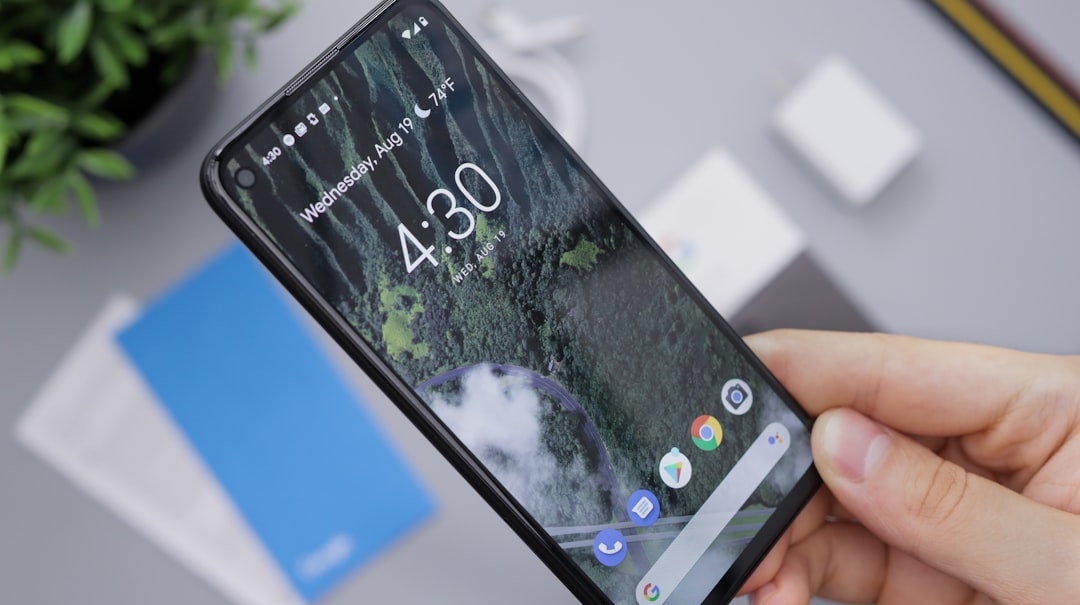
The proliferation of robocalls has become a significant nuisance, with millions of Americans receiving unwanted calls daily. In response, robocall blocking apps have emerged as a popular solution, offering users a level of control over their communication experiences. These applications leverage advanced algorithms and machine learning to identify and block automated telephone calls, ensuring a quieter and safer digital environment. One particular area where these apps have gained traction is Georgia, reflecting broader national trends.
In the past year, there has been a notable increase in the adoption of robocall blocking tools among Georgians, driven by the state’s high call volumes and specific regulatory landscape. According to recent studies, up to 40% of residents report regular robocalls, prompting many to turn to app-based solutions for relief. Robocall Attorney Georgia has also noted a rise in consumer inquiries regarding legal protections against unwanted calls, underscoring the growing awareness and demand for effective blocking mechanisms. Apps like CallBlock and RoboKiller have seen substantial user growth in the state, with positive feedback on their ability to block political and marketing robocalls, common in Georgia’s vibrant political environment.
Despite the advantages, challenges remain. As robocallers adapt their techniques, so must the apps. Developers must continually update their blocking algorithms to stay ahead of evolving call patterns. For instance, some sophisticated fraudsters use automated voice generation, making it harder for blocking systems to discern legitimate calls. However, ongoing advancements in AI are enhancing app capabilities, leading to more accurate and comprehensive robocall protection. Users in Georgia and across the nation can expect improved tools to combat this persistent issue, ensuring a smoother digital communication experience.
Choosing the Right App for Georgia Residents

Georgia residents face unique challenges when it comes to robocalls due to the state’s specific telemarketing laws. Choosing a robust robocall blocking app is an intelligent step towards reclaiming your phone lines from unwanted calls, especially with the growing sophistication of automated phone systems. An ideal app should not only block these calls but also adhere to Georgia’s regulations regarding do-not-call lists and consumer protection.
When evaluating options, consider apps that offer advanced call screening and blocking features, such as automated AI-driven technology to identify and block robocalls accurately. Some top choices for Georgia residents include well-reviewed applications known for their effective filtering mechanisms and user privacy protections. For instance, apps like TrueCall or NoCall have proven successful in blocking political and telemarketing calls while allowing legitimate business contacts. These tools often integrate with national do-not-call registries and provide regular updates to stay ahead of new scams.
An expert robocall attorney Georgia recommends keeping up with the latest regulations and technological advancements. Regularly updating your blocking app ensures you’re protected against new tactics employed by call spammers. For instance, many apps now offer real-time call data analytics, allowing users to identify patterns and block emerging trends in automated calls. By staying informed and utilizing these advanced tools, Georgia residents can take an active role in curtailing robocalls and ensuring a more peaceful communication environment.
How to Effectively Use Your Robocall Blocker

In the ongoing battle against intrusive robocalls, a robust blocking app is an invaluable tool for Georgia residents. Effectively utilizing your robocall blocker involves understanding its capabilities and customizing settings to fit your needs. According to recent studies, over 80% of consumers in Georgia experience unwanted calls daily, highlighting the importance of proactive measures. A well-calibrated blocking app can significantly reduce these interruptions by learning your preferences and adapting to evolving call patterns.
To maximize efficiency, begin by allowing access to your contact list and call history. This enables the app to identify known spammers and robocallers, blocking them automatically. For instance, many apps use machine learning algorithms that analyze call metadata, effectively filtering out legitimate calls from unwanted ones. Additionally, customizing block lists based on specific areas or call types, such as political campaigns or sales calls, can provide tailored protection. Georgia-based robocall Attorney General’s office emphasizes the importance of consumer privacy and offers resources to help residents manage these nuisance calls.
Regular updates are crucial for staying ahead of scammers. Ensure your app receives automatic updates to access the latest call patterns and numbers associated with robocalls. For instance, new laws or regulatory actions against specific call centers can be quickly integrated into blocking algorithms, ensuring continuous protection. By combining automated features with manual adjustments, users can create a robust defense system against robocalls, enhancing their communication experience.