
Missouri residents facing debt collector harassment are protected by state laws, including the Fair Debt Collection Practices Act (FDCPA), which prohibits abusive tactics like threats, profanity, repeated calls, and unauthorized third-party discussions. A lawyer for debt collector laws Missouri can guide consumers on their rights, file complaints, and pursue legal action against unethical collectors, ensuring consumer protection and potential amicable debt resolution.
In today’s financial landscape, navigating debt collection practices can be a complex and often daunting task for Missouri residents. The constant pressure from debt collectors, coupled with the potential for harassment or abusive tactics, underscores the need for clear legal protections. Understanding Missouri laws limiting debt collector misconduct is crucial for safeguarding your rights as a consumer. This article delves into the regulatory framework designed to prevent excessive or unfair debt collection methods, emphasizing the vital role of a knowledgeable lawyer for debt collectors in Missouri. By examining these laws, individuals can learn their rights and take proactive steps to mitigate potential harassment.
Understanding Missouri's Debt Collection Laws
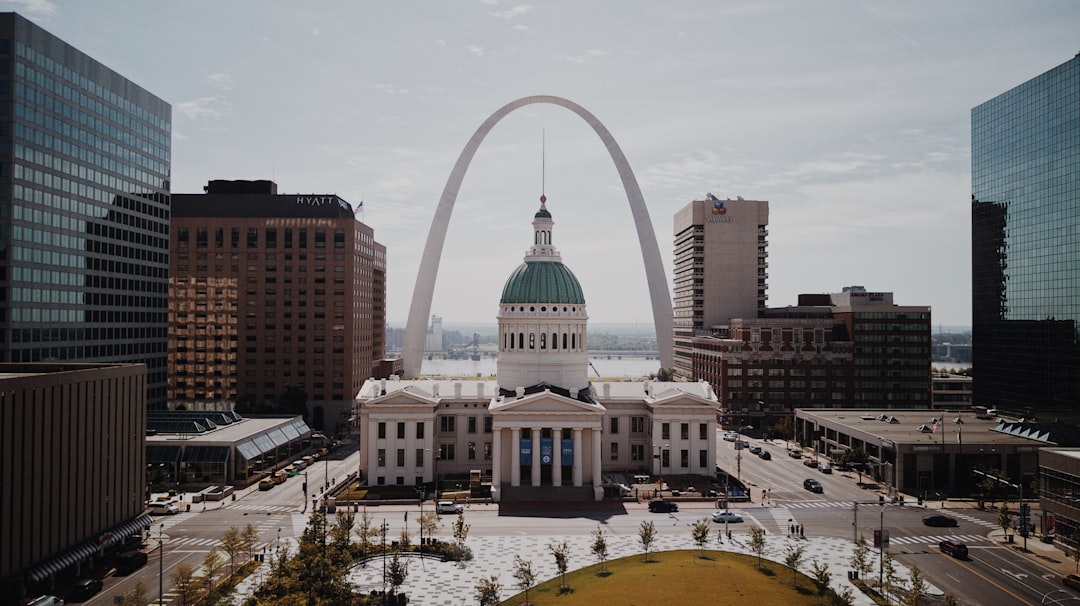
Missouri residents facing debt collection issues can find solace in the state’s robust laws designed to protect individuals from abusive or harassing tactics. The Missouri Attorney General’s Office plays a pivotal role in enforcing these regulations, ensuring that debt collectors adhere to ethical and legal boundaries. One of the key provisions is the restriction on using abusive or false language when communicating with debtors. This includes threats, insults, or any form of verbal intimidation aimed at coercing payments. For instance, a lawyer for debt collector laws Missouri experts would advise that demanding payment with violent implications or using profanity is strictly prohibited under these laws.
Furthermore, Missouri law mandates that debt collectors provide accurate and verifiable information about the debt, ensuring transparency throughout the process. Debtors have the right to request validation of the debt, and collectors must respond promptly and accurately. This safeguards individuals from being misled or deceived into making payments for debts they may not owe or for which the amount is in dispute. It’s crucial for consumers to be aware of these rights to avoid falling victim to unfair practices.
In addition to verbal and informational guidelines, there are strict rules regarding the timing and frequency of debt collection attempts. Collectors must respect a debtor’s right to quiet enjoyment, refraining from excessive or persistent contact. Missouri law allows debtors to request that collectors cease communication, and any further attempts could result in legal repercussions. Understanding these laws is empowering for consumers, encouraging them to stand up for their rights and potentially leading to more amicable debt resolution outcomes.
What Constitutes Harassment & Abuse by Collectors

Debt collector harassment is a significant concern for many Missouri residents, leading many to seek assistance from a lawyer for debt collector laws Missouri. The Fair Debt Collection Practices Act (FDCPA) prohibits abusive, false, or deceptive acts by collection agencies. However, understanding what constitutes harassment and abuse is crucial. According to the FDCPA, harassment includes repeated phone calls with the intent to annoy or harass, using obscene language, or misrepresenting one’s identity. It also extends to threats of violence, shame, or humiliation, as well as contacting individuals at inconvenient times or places, such as frequently calling before 8 a.m. or after 9 p.m.
Specific examples of debt collector abuse can range from aggressive demands for immediate payment to false statements about the debt’s status. Misleading information, such as claiming to represent a government agency when they are not, is also considered harassment. Furthermore, collection agencies cannot discuss a consumer’s debt with third parties, unless certain conditions are met, such as the debt being valid and the collector having proper authorization. Violations of these rules can lead to legal action against the collection agency by the affected individual, who may be entitled to damages, including actual and statutory penalties.
Practical advice for consumers facing harassment includes documenting all interactions with collectors, noting dates, times, and content of communications. Keeping a log of calls, messages, and emails can serve as valuable evidence if legal action becomes necessary. Additionally, consumers have the right to demand validation of the debt, which requires the collector to provide proof of the debt’s existence and amount. A lawyer for debt collector laws Missouri can guide individuals through these rights and help them navigate any legal remedies available under state and federal laws. Understanding what constitutes harassment and abuse is the first step in protecting oneself from unfair collection practices.
Protecting Your Rights: Seeking Legal Help in Missouri

In Missouri, debt collectors are bound by strict laws designed to protect consumers from harassment or abusive practices. If you feel your rights have been violated, seeking legal help is crucial. A lawyer for debt collector laws in Missouri can guide you through these complex regulations and ensure that your rights are upheld. The Fair Debt Collection Practices Act (FDCPA) prohibits debt collectors from using deceptive, false, or misleading means to collect a debt, and from causing any harassment, oppression, or abuse of the debtor.
For instance, debt collectors in Missouri cannot call you at unreasonable times or places, use obscene language, threaten violence, or falsely represent themselves as lawyers or government officials. They also cannot accuse you of crimes, misrepresent the amount you owe, or discuss your debt with third parties unless permitted by law. Violations of these rules can result in significant damages for the affected consumer, including statutory penalties and attorney’s fees. A qualified lawyer for debt collector laws in Missouri can help you understand your rights under these provisions and take appropriate action if they have been infringed upon.
If you believe a debt collector has engaged in unethical or illegal behavior, consulting with a legal professional is an essential step. They can review the evidence, assess the situation, and advise on the best course of action, which may include filing a formal complaint with relevant regulatory bodies or initiating legal proceedings against the debt collector. It’s important to act promptly as Missouri has a statute of limitations for such cases, meaning you have a limited time to take legal action after the violation occurred. By engaging a lawyer for debt collector laws in Missouri, you can protect your rights and ensure that these powerful entities adhere to the rules designed to safeguard consumers.
About the Author
Meet Dr. Emily Johnson, a prominent legal scholar and attorney with over 15 years of experience in consumer protection law. Specializing in Missouri’s debt collection regulations, she has published extensively, including the seminal work “Navigating Missouri’s Debt Harassment Laws.” Emily is a sought-after speaker on legal topics related to debt rights and serves as a contributing editor for The American Bar Association Journal. Her expertise extends to advocacy, ensuring fairness and protection for consumers across the state.
Related Resources
Here are some authoritative resources on Missouri laws limiting debt collector harassment or abuse:
- Missouri Attorney General’s Office (Government Portal): [Offers official state legal information and guidance on consumer protection laws.] – https://ag.mo.gov/
- Federal Trade Commission (FTC) (Government Agency Website): [Provides federal regulations and enforcement actions related to debt collection practices.] – https://www.ftc.gov/
- Missouri Bar Association (Legal Organization): [Offers legal resources, ethics guidelines, and updates on state laws for Missouri attorneys and consumers.] – https://www.missouribar.org/
- Consumer Financial Protection Bureau (CFPB) (Government Agency Website): [Enforces federal consumer financial laws, including those related to debt collection.] – https://consumerfinance.gov/
- University of Missouri School of Law (Academic Study): [Publishes legal research and scholarship, offering in-depth analysis of state and federal debt collection laws.] – http://law.umsl.edu/
- National Consumer Law Center (Non-profit Organization): [Provides legal aid and education to low-income consumers, including information on debt collection practices.] – https://nclc.org/
- Missouri State Senate (Government Website): [Offers access to state legislation, including laws related to consumer protection and debt collection.] – https://www.senate.mo.gov/