
In Massachusetts, strict laws protect against unsolicited spam text messages. If received, document communications and consider contacting a specialized lawyer who can guide through legal processes like filing FTC complaints or seeking court damages. Preserving evidence is crucial to refute unwanted messages, a key defense under state law. Choose a lawyer specializing in telecommunications and consumer protection laws for the best outcome in spam text cases.
In Massachusetts, understanding and adhering to spam text laws is crucial to protect yourself from potential legal repercussions. If you’ve received unsolicited text messages promoting products or services, know that you have rights. This article guides you through the intricacies of Massachusetts’ anti-spam legislation, empowering recipients to take action. Learn about your legal options, discover effective strategies for defending against spam charges, and find out how to choose the right lawyer to navigate this complex landscape, ensuring your rights are protected under the state’s laws.
Understanding Spam Text Laws in Massachusetts

In Massachusetts, the laws regarding spam text messages are designed to protect consumers from unsolicited and unwanted communications. These laws are strictly enforced to maintain a peaceful and respectful digital environment. If you’re facing issues with spam texts, understanding your legal rights is crucial. A lawyer specializing in spam text laws in Massachusetts can guide you through these complex regulations, ensuring your rights are upheld and providing effective solutions.
Massachusetts General Laws Chapter 93A prohibits unfair or deceptive acts in trade, including spam texting. It’s important to know what constitutes spam under these laws—unwanted texts sent for commercial purposes without prior consent. If you’ve received spam texts, documenting the communications, including timestamps and content, can be beneficial. This information becomes critical when seeking legal advice from a Massachusetts lawyer specializing in spam text cases.
Legal Rights of Recipients: What You Can Do
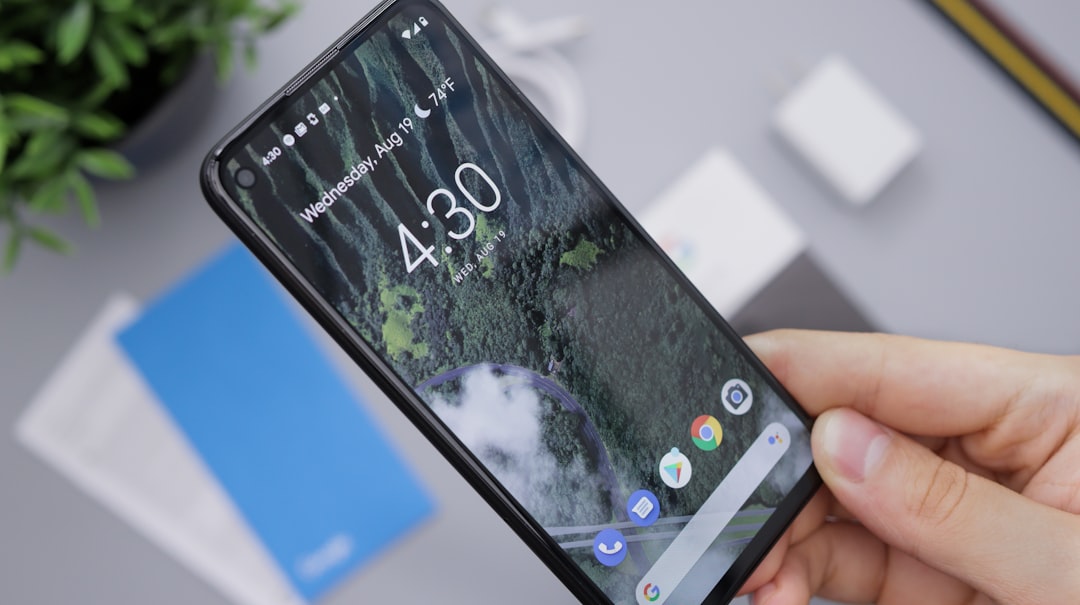
If you’ve received spam text messages in Massachusetts, know that you have legal rights as a recipient. The first step is to document the messages—save them, note the sender’s number, and keep track of any interactions. You can then take several actions depending on the severity of the issue.
One option is to contact the sender directly and demand they stop messaging you. If this doesn’t work, consider reaching out to a lawyer specializing in spam text laws in Massachusetts. They can guide you through legal avenues like filing a complaint with the Federal Trade Commission (FTC) or taking them to court for damages, depending on your situation.
Strategies for Defending Against Spam Charges
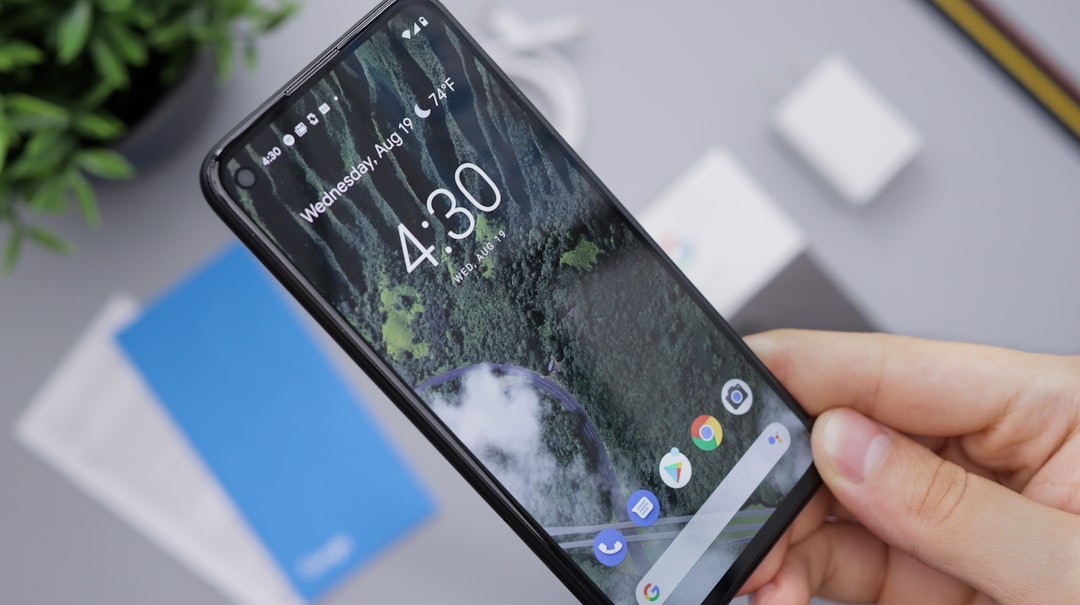
If you’ve been hit with spam text charges in Massachusetts, it’s crucial to understand your legal defenses and options. One effective strategy is to gather and preserve all communications related to the case, including the alleged spam texts, any responses, and metadata. This evidence can be invaluable in demonstrating that the messages were not unwanted or unsolicited, a key element in determining liability under Massachusetts law.
Engaging the services of an experienced lawyer for spam texts in Massachusetts is also vital. Legal professionals specializing in this area can provide guidance tailored to your specific circumstances, helping you navigate the complexities of state and federal regulations governing text messaging and telemarketing practices. They can challenge the validity of allegations, negotiate settlements, or represent you in court to protect your rights and ensure a favorable outcome.
Choosing the Right Lawyer for Your Case

When dealing with a spam text case in Massachusetts, selecting the appropriate legal counsel is a strategic decision. Seek out a lawyer who specializes in telecommunications law or has a proven track record in handling similar cases involving spam texts. This expertise ensures they understand the nuances of state and federal regulations related to unsolicited text messages.
Look for attorneys with experience navigating the unique challenges of these cases, including understanding consumer protection laws and consent requirements. A competent lawyer will guide you through the legal process, ensuring your rights are protected. They should be adept at negotiating settlements or litigating in court, depending on the case’s course.