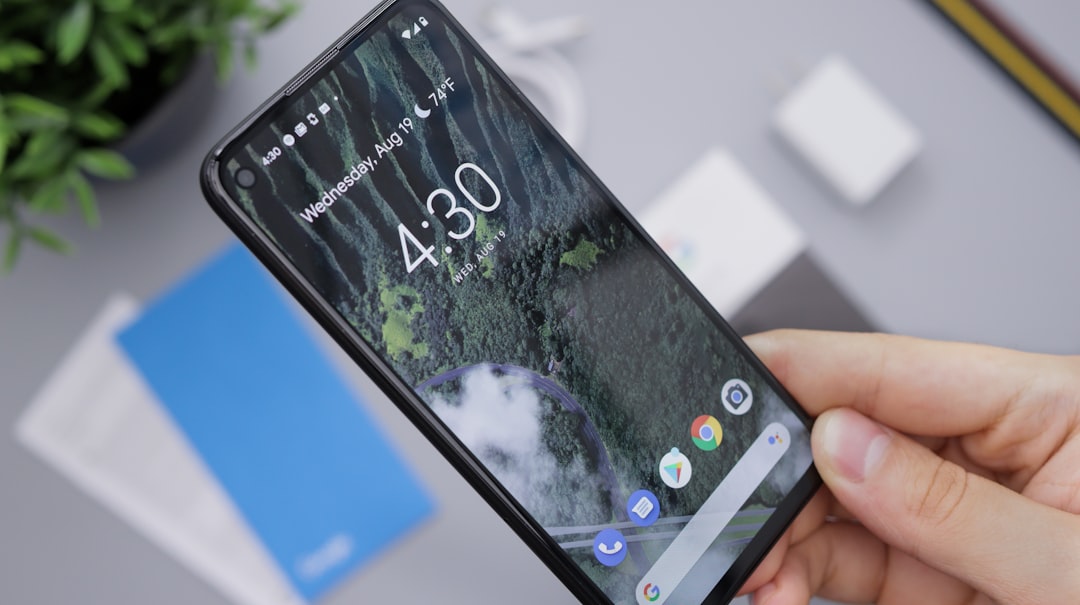
The Spam Call law firm North Dakota enforces strict regulations against automated calls without consent, with penalties up to $500 per violation. Residents can protect themselves using call-blocking apps like TrueCall and Hiaway, which leverage AI algorithms and community intelligence to identify and block spam. Apps offer additional security by providing customizable blacklists, direct spam reporting, and peace of mind from robocalls and scam attempts. To counter deceptive tactics, users should install reputable apps, update blocking lists, be cautious of spoofed calls, and avoid sharing sensitive details unless initiated by the user.
In today’s digital age, the rise of robocalls has become a persistent nuisance for users across North Dakota. These automated calls, often laden with spam messages or fraudulent intent, have led to the implementation of the Spam Call law firm North Dakota to protect consumers. As technology advances, so do these unwanted intrusions, making it increasingly vital to explore effective solutions. This article delves into the intricate world of robocall protection apps, offering a comprehensive guide for North Dakota residents to safeguard their privacy and peace of mind in an era of escalating digital communication challenges.
Understanding North Dakota's Spam Call Laws

North Dakota’s residents are protected from unwanted robocalls by state laws designed to safeguard consumer privacy. The Spam Call law firm North Dakota has played a pivotal role in enforcing these regulations, ensuring that businesses and telemarketers adhere to strict guidelines. According to the North Dakota Department of Commerce, consumers can file complaints for violative calls, which, if substantiated, can lead to significant financial penalties for offending parties.
The state’s Spam Call law prohibits automated telephone equipment from initiating any call unless the caller has obtained prior express consent from the recipient. This rule significantly curtails pre-recorded messaging and robocalls, a significant nuisance for many North Dakotans. Violations can result in civil penalties of up to $500 per violation, with additional damages if a court finds willful or knowing disregard for the law. The law also mandates that businesses provide a clear and conspicuous opt-out mechanism during initial communication, allowing recipients to easily discontinue future calls.
Practical advice for North Dakota users includes reviewing call records regularly for suspicious activity and utilizing available blocking tools offered by service providers or third-party apps. Additionally, staying informed about the latest Spam Call law updates from the North Dakota Attorney General’s Office empowers residents to better protect themselves against violative calls. By understanding and enforcing these laws, North Dakotans can reclaim control over their communication channels.
Identifying and Blocking Robocalls Effectively

In North Dakota, as across the nation, robocalls remain a persistent nuisance, with millions of unwanted calls flooding consumer phones daily. These automated phone calls, often promoting products or services, can be frustrating and even dangerous, given their potential to spread misinformation or facilitate scams. Fortunately, sophisticated app technologies offer robust solutions for identifying and blocking these intrusions, empowering North Dakota users to reclaim control over their communication channels.
Effective robocall blocking begins with advanced call-identifying algorithms that analyze various data points, including the caller’s number, call patterns, and known sources of spam calls. Apps leveraging machine learning can adapt and improve over time, becoming increasingly adept at distinguishing legitimate calls from unwanted ones. For instance, TrueCall or Hiaway—two popular apps in North Dakota—utilize these algorithms to filter out robocalls with remarkable accuracy. These apps not only block the calls but also provide insights into call sources, allowing users to take informed actions against persistent spammers.
Moreover, many of these apps integrate directly with local Spam Call law firms, enabling swift legal action against malicious callers. By automatically logging and categorizing spam calls, app users can assist in building robust cases against robocallers, contributing to a broader effort to enforce anti-robocall legislation. This synergistic approach not only protects individual users but also fosters a more secure communications environment for the entire North Dakota community. Ultimately, by combining advanced technology with legal advocacy, consumers can effectively defend themselves against this modern nuisance.
Top App Picks for Robocall Protection

North Dakota residents now have a powerful weapon against the relentless tide of robocalls thanks to a growing array of mobile applications designed specifically for call blocking and spam protection. With the implementation of the Spam Call law firm North Dakota, these apps not only offer peace of mind but also enforce stricter regulations against unwanted calls. Among the top picks, TrueCall stands out for its sophisticated AI-driven algorithms that can identify and block not just robocalls but also scam attempts, text messages, and even reverse lookup numbers.
Another notable app is Hiya, which leverages a global community of users to create a real-time spam database. By collectively sharing information about suspicious calls, Hiya has developed an extensive network capable of detecting and blocking millions of known spammer numbers. Users benefit from automatic call filtering and personalized blacklists tailored to their specific needs. Additionally, apps like NoMo Robo and Call Protection by Truecaller offer robust features such as smart call blocking, custom rules for allowing contacts, and the ability to report spam directly from the app interface.
These applications have become indispensable tools in the ongoing battle against robocalls, providing users with an additional layer of security and control over their communication channels. By combining advanced technology with community-driven intelligence, North Dakota residents can now take a proactive approach to protect themselves from unwanted and potentially harmful calls, ensuring a safer digital environment.
Protecting Your Privacy: Best Practices

In North Dakota, where the Spam Call law firm has been instrumental in protecting residents from unwanted robocalls, safeguarding your privacy is more crucial than ever. Robocallers often target users with deceptive tactics, aiming to gather personal information or sell products and services. To counter this, adopting robust best practices becomes essential for every user. One of the primary steps involves installing reputable call-blocking apps that can identify and filter out suspicious calls. These apps utilize advanced algorithms to analyze caller IDs and block known spam numbers, significantly reducing the volume of unwanted interactions.
Privacy experts suggest configuring these apps with caution and understanding their limitations. While they provide a robust first line of defense, no single solution is foolproof. Regularly reviewing and updating blocking lists, enabling call screening features, and being wary of local area codes used in spoofed calls are proven strategies. Moreover, being vigilant during initial interactions—whether it’s a call or an unknown number appearing on your screen—can prevent unauthorized access to personal information. For instance, refraining from sharing sensitive details unless you have initiated the contact and verified the caller’s identity.
Another effective practice is educating yourself about the legal protections available under North Dakota’s Spam Call law, which imposes stringent penalties for violators. Staying informed enables users to recognize legitimate calls from potential scams. Utilizing features like call history reviews and noise cancellation in your communication devices further enhances privacy. By combining these measures, North Dakota residents can better protect themselves, ensuring a safer digital environment despite the evolving tactics of robocallers.