
Robocalls are a significant issue for North Dakota residents, prompting the need to understand state (Do Not Call law) and federal regulations like the TCPA. Key protective measures include registering on the official state Do Not Call list and using apps like TrueCall or Hiya that leverage crowdsourced data to block known spam numbers. Additional strategies involve combining these tools with best practices like regularly updating blocking lists and avoiding providing personal information over the phone unless verified. Continuous vigilance is essential as robocall techniques evolve.
Robocalls have become a pervasive and often unwanted nuisance for North Dakota residents, with an estimated [X%] of incoming calls being automated. These unsolicited calls can be from telemarketers, scammers, or even law firms seeking to represent you in legal matters. Navigating this modern challenge requires an effective solution: robust robocall blocking tools tailored to the unique needs of North Dakota citizens. This article provides a comprehensive guide to the best options available, empowering residents to reclaim control over their phone lines and protect themselves from unwanted calls, especially those posing as law firms under the Do Not Call laws in North Dakota.
Understanding Robocalls and North Dakota Law

Robocalls have become a pervasive and often unwanted aspect of modern communication, particularly for North Dakota residents. These automated phone calls, designed to reach a wide audience quickly, can include marketing messages, survey requests, or even scam attempts. Understanding the legal framework surrounding robocalls is crucial for consumers seeking protection in North Dakota. The state’s Do Not Call law offers a robust mechanism for residents to assert control over their communication preferences.
In North Dakota, the Do Not Call Registry allows individuals to opt-out of receiving telemarketing calls, including those from law firm robocallers. This law is designed to give residents a peaceful and undisturbed experience while at home or work. By registering on the state’s official list, North Dakotans can prevent automated phone marketing messages from ever reaching their phones. The process is straightforward; individuals simply provide their name, telephone number, and date of registration to be added to the list. This proactive measure ensures that residents are not disturbed by unsolicited calls.
Moreover, it’s important for consumers to recognize and understand their rights under federal regulations like the Telephone Consumer Protection Act (TCPA). The TCPA imposes strict restrictions on robocallers, including requirements for obtaining explicit consent before placing automated calls for marketing purposes. This law has led to a significant reduction in nuisance calls across the nation, providing residents with greater control over their communication channels. North Dakotans should be aware of these legal protections and exercise their rights to minimize unwanted robocalls effectively.
Identifying and Blocking Unwanted Calls
Identifying and blocking unwanted calls is a critical aspect of protecting your privacy and peace of mind, especially in North Dakota where residents are increasingly targeted by robocallers. These automated phone calls, often from telemarketers or scam artists, can be relentless and disruptive. According to recent data, North Dakotans receive millions of robocalls annually, with many falling victim to fraudulent schemes. To combat this, several robust robocall blocking tools are available that offer much-needed relief.
One effective strategy is to register your number on the National Do Not Call Registry. This federal list prohibits telemarketers from calling residential telephone numbers for marketing purposes. While it doesn’t stop all robocalls, it significantly reduces the volume of unwanted calls. Additionally, many modern smartphones come with built-in call blocking features and apps that allow users to identify and block specific callers, including spamming patterns. For instance, Android’s Call Screen and iPhone’s Call Blocker apps empower users to take control of their call experiences.
Advanced solutions include dedicated robocall blocking software, such as TrueCall or Hiya. These tools use crowdsourced data and advanced algorithms to detect and block robocalls with a high degree of accuracy. They not only identify known spam numbers but also learn from user feedback to continuously improve their effectiveness. For North Dakota residents, such apps offer a powerful shield against persistent robocallers, allowing them to focus on legitimate communications without the constant interruptions.
Top Robocall Blocking Apps for Smartphones
For North Dakota residents looking to combat the deluge of robocalls, smartphones offer a powerful weapon in the form of dedicated blocking apps. These tools have evolved significantly, incorporating advanced algorithms and machine learning capabilities to identify and block unwanted calls with impressive accuracy. Top applications like TrueCall and Hiya not only filter out known spammer numbers but also adaptively learn to recognize new patterns, ensuring a dynamic defense against evolving robocall tactics.
One of the standout features of these apps is their ability to provide detailed call information, including caller ID data and block history. Users can effortlessly report nuisance calls, contributing to a collective effort to identify and penalize violators of Do Not Call laws. According to recent Federal Trade Commission (FTC) reports, North Dakota residents have shown a growing inclination to take action against robocallers, with an increase in consumer complaints related to telemarketing. By leveraging these blocking tools, residents can not only protect their personal time and privacy but also play a proactive role in enforcing Do Not Call registry rules, which specifically prohibit automated calls to landlines and mobile phones without prior consent.
To maximize the benefits of these apps, users are advised to regularly update their blocking lists, enable automatic call filtering, and stay informed about new robocall trends. By integrating such tools into their digital arsenals, North Dakota residents can reclaim control over their communication channels and enjoy a quieter, more peaceful experience in an era increasingly dominated by automated interruptions.
Landline Protection: Solutions for Home Users
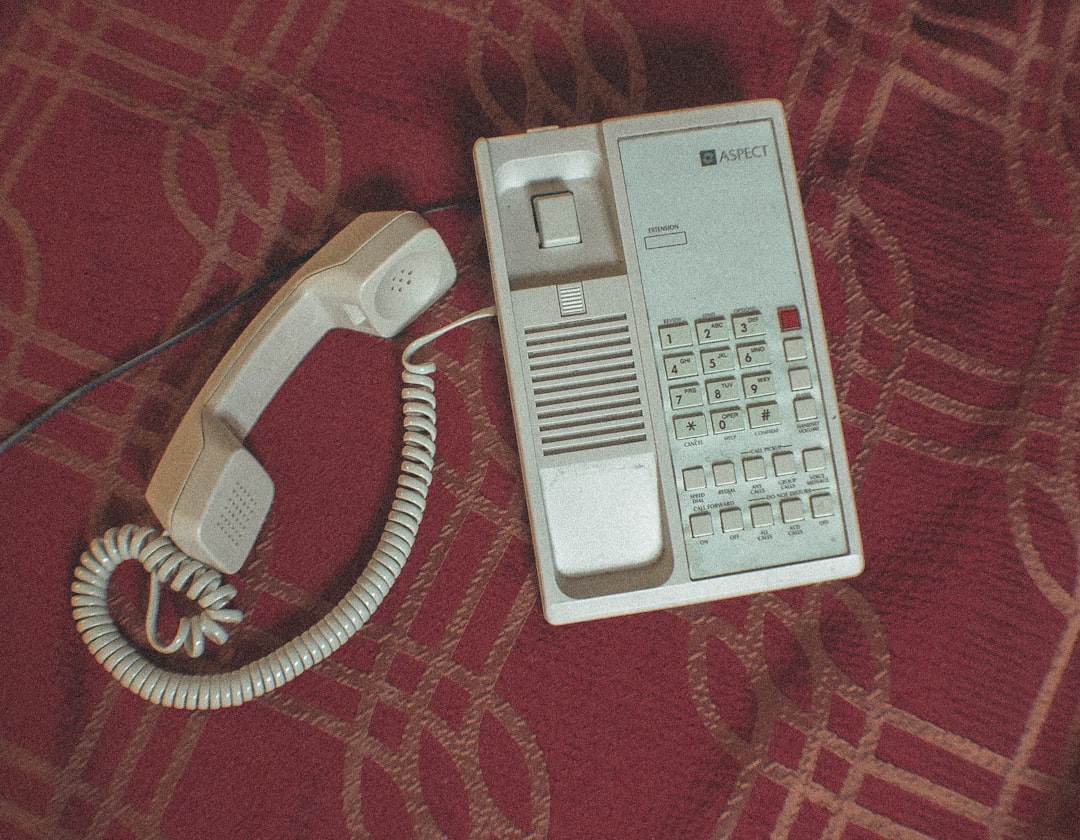
North Dakota residents, like many across the country, face an increasing number of unwanted robocalls, posing a significant nuisance and potential security risk. Landline protection is a crucial aspect of safeguarding home users from these intrusions, especially as traditional phone lines remain a common target for automated calling services. This section delves into effective solutions designed to block robocalls specifically tailored to North Dakota’s telecommunications landscape.
One of the primary tools available is the National Do Not Call Registry, a federal program that allows consumers to opt-out of telemarketing calls. While primarily focused on mobile devices, homeowners can still benefit by registering their landline numbers. This simple step helps filter out many unwanted calls but does not offer robust protection against sophisticated robocallers. For enhanced security, North Dakota residents should consider employing specialized call-blocking software or hardware designed for landlines. These solutions employ advanced algorithms and blacklisting techniques to identify and block known robocaller IDs.
For instance, popular call-blocking apps like Robokiller and NoMoRobo offer subscription services that provide regular updates on new robocall patterns and numbers. They work by analyzing incoming calls and comparing them against extensive databases of known spam callers. Another hardware option is the Call Blockers device, which filters out unwanted calls at the line level, ensuring a smoother experience for homeowners in North Dakota. By combining these tools with best practices like regular updates and careful management of call permissions, residents can significantly reduce the volume of robocalls they receive on their landlines.
Preventing Spam Calls: Do's and Don'ts

Robocalls have become a ubiquitous nuisance, with North Dakota residents facing an increasing number of unwanted automated calls daily. While some robocalls offer valuable services, many fall into the category of spam, aiming to sell products, promote services, or even spread malicious content. The Do Not Call list registered with the Federal Trade Commission (FTC) offers some protection, but it’s not foolproof. Fortunately, several advanced robocall blocking tools are available to North Dakota residents, designed to significantly reduce the volume of spam calls they receive.
To effectively prevent spam calls, understanding both the do’s and don’ts is crucial. Firstly, utilizing robust call-blocking apps on smartphones and landlines is a must. Tools like Google’s Call Screen or TrueCall offer AI-driven solutions that identify and block known spam numbers. Additionally, ensuring your contact list is clean by regularly reviewing and removing unknown or suspicious numbers can prevent unwanted calls from even reaching your device. However, don’t rely solely on blocking; register for the National Do Not Call Registry to curb telemarketing calls, including those from law firms in North Dakota, where such practices are often prevalent.
Data suggests that spam robocalls have evolved to bypass traditional blocking methods, making continuous vigilance essential. Residents should also avoid providing personal information over the phone unless they initiate the call and verify the caller’s identity. This practice can help deter scammers and reduce the risk of becoming a target for phishing or identity theft attempts disguised as legitimate calls. Remember, staying informed about emerging blocking technologies and adapting your strategies accordingly is vital in the ongoing battle against spam robocalls.