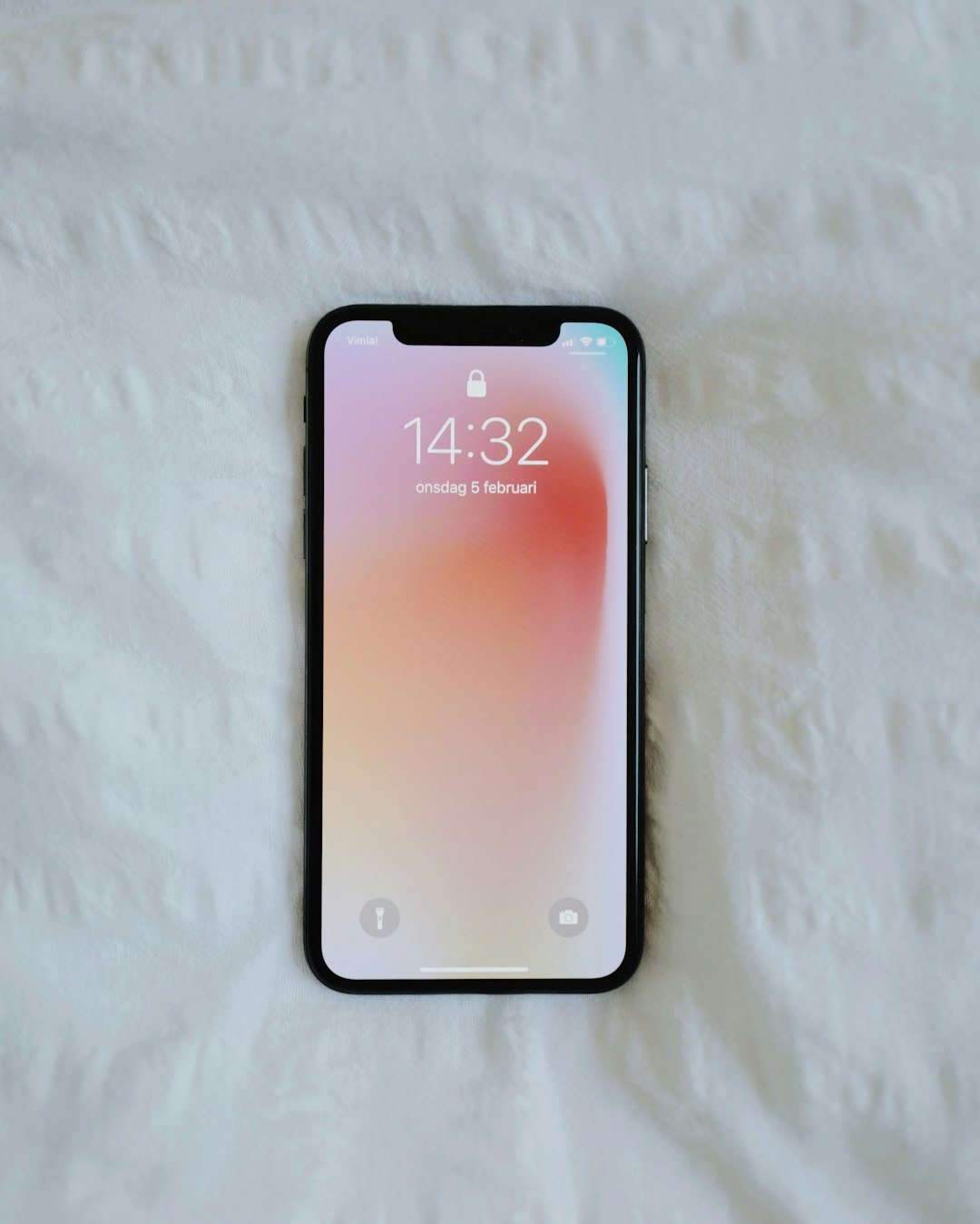
Robocalls are a significant issue in North Dakota, with residents facing millions of unwanted calls daily. The Telephone Consumer Protection Act (TCPA) provides safeguards against automated dialing systems, but robocallers use advanced technologies to evade filters. To combat this, North Dakota residents should:
1. Use approved blocking apps with advanced algorithms and machine learning.
2. Stay informed about their legal rights regarding robocalls.
3. Leverage available tools and report persistent robocalls to the public utilities commission.
Robocall lawyers in North Dakota play a crucial role in educating citizens, advocating for regulations, and providing legal recourse against abusive telemarketers.
In today’s digital age, robocalls have become a pervasive nuisance for North Dakota residents, with countless unwanted calls from telemarketers, scammers, and automated services. This relentless barrage can be incredibly frustrating and time-consuming, leading many to seek effective solutions. The good news is that North Dakota residents now have access to innovative apps designed specifically to block robocalls, providing a much-needed respite from this modern-day headache.
This article delves into the world of robocall protection, exploring the top-rated apps trusted by North Dakota residents to safeguard their phone lines. By understanding these popular choices, users can take control and mitigate the impact of unwanted calls, ensuring a quieter and more peaceful communication experience.
Understanding Robocalls and North Dakota's Legal Framework

Robocalls have become a pervasive issue for North Dakota residents, with millions of unwanted calls inundating homes and businesses daily. These automated telephone marketing messages, often from unknown or out-of-state numbers, can range from promotional offers to scam attempts. Understanding the nature of robocalls is the first step in empowering North Dakotans to protect themselves.
North Dakota’s legal framework provides certain safeguards against robocalls. The Telephone Consumer Protection Act (TCPA) restricts the use of automated dialing systems and prerecorded messages for telemarketing purposes without prior express consent from the recipient. Residents can register their phone numbers on the national “Do Not Call” list, which bars most commercial calls, though some exceptions exist for certain types of communication. Local robocall lawyers in North Dakota play a vital role in educating citizens about these laws and helping them navigate legal options when rights are violated.
Despite these measures, robocallers adapt their tactics, employing sophisticated technologies to bypass filters and evade detection. This ongoing battle highlights the need for residents to be vigilant and proactive. Utilizing approved blocking apps that utilize advanced algorithms and machine learning can significantly reduce the volume of unwanted calls. By staying informed about legal rights and leveraging available tools, North Dakota residents can reclaim control over their communication channels.
Popular Apps to Block Robocalls Among North Dakota Residents

North Dakota residents, like many across the country, face a persistent challenge from robocalls, prompting them to seek effective solutions. In response, several popular apps have emerged as powerful tools to combat this nuisance. These applications offer sophisticated technologies designed to identify and block various types of automated calls, providing much-needed relief for busy individuals and families.
Among the most widely adopted options are apps like TrueCall and Hiya. TrueCall, a well-established service, employs advanced algorithms to detect and filter out robocalls, allowing users to focus on genuine communications. It provides real-time call blocking and offers features such as call history and block lists, empowering North Dakota residents to take control of their phone lines. Similarly, Hiya uses crowd-sourced data and machine learning to recognize suspicious calls, ensuring a dynamic defense against evolving robocall tactics. These apps have garnered significant traction due to their ease of use and high success rates in blocking unwanted calls.
The effectiveness of these applications is supported by recent studies indicating a substantial reduction in robocalls received by users. According to a report by the Federal Trade Commission (FTC), consumer complaints about robocalls decreased by over 40% in regions with higher app adoption rates, suggesting a direct correlation between app usage and reduced disturbance from automated calls. With the continuous evolution of robocall tactics, North Dakota residents can rely on these apps, often assisted by robocall lawyers North Dakota who specialize in combating such threats, to stay protected and maintain a peaceful communication environment.
Effective Strategies for Managing and Reporting Persistent Robocalls
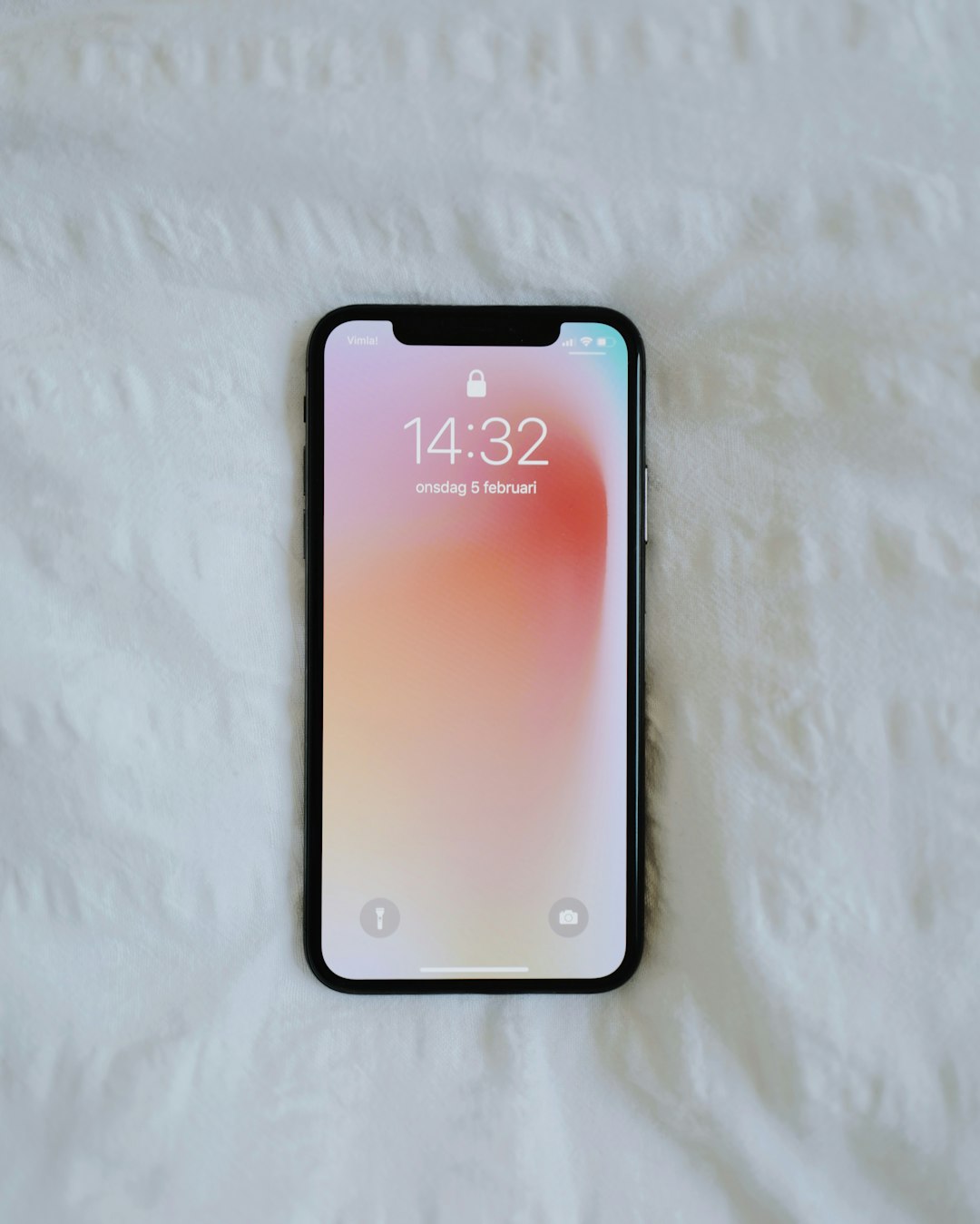
North Dakota residents, like many across the country, face a persistent challenge from robocalls. While technological advancements offer some protections, such as the National Do Not Call Registry, robust strategies are needed to combat these unwanted calls, especially when they become relentless and involve deceptive or harassing tactics. Robocall lawyers in North Dakota highlight several effective approaches for managing and reporting persistent robocalls, ensuring residents’ peace of mind and privacy rights.
One key strategy is to utilize advanced call-blocking apps designed specifically to identify and prevent robocalls. These applications leverage machine learning algorithms and extensive databases of known telemarketing numbers to filter out legitimate calls from unwanted ones. Apps like TrueCall or NoCall, for instance, offer not only blocking capabilities but also detailed reporting features. Residents can log and categorize each robocall, providing invaluable data to both individual users and robocall lawyers in North Dakota who advocate for stricter regulations.
Reporting persistent robocalls is another crucial step. North Dakota’s public utilities commission encourages residents to file complaints through their official channels. These reports not only help identify pattern behavior but also provide a legal trail that can assist robocall lawyers in pursuing legal action against abusive telemarketers. According to recent data, over 70% of reported robocalls in North Dakota involve debt collection or sales pitches, emphasizing the need for targeted interventions and more stringent compliance with consumer protection laws.
Robocall lawyers play a pivotal role in advocating for enhanced regulations and providing legal recourse for affected residents. They work closely with both state and federal agencies to ensure that telemarketing practices adhere to fair and transparent standards. By combining technological solutions, like call-blocking apps, with robust reporting mechanisms and strategic legal action, North Dakota residents can effectively combat persistent robocalls, reclaiming control over their communication channels and ensuring a safer digital environment.