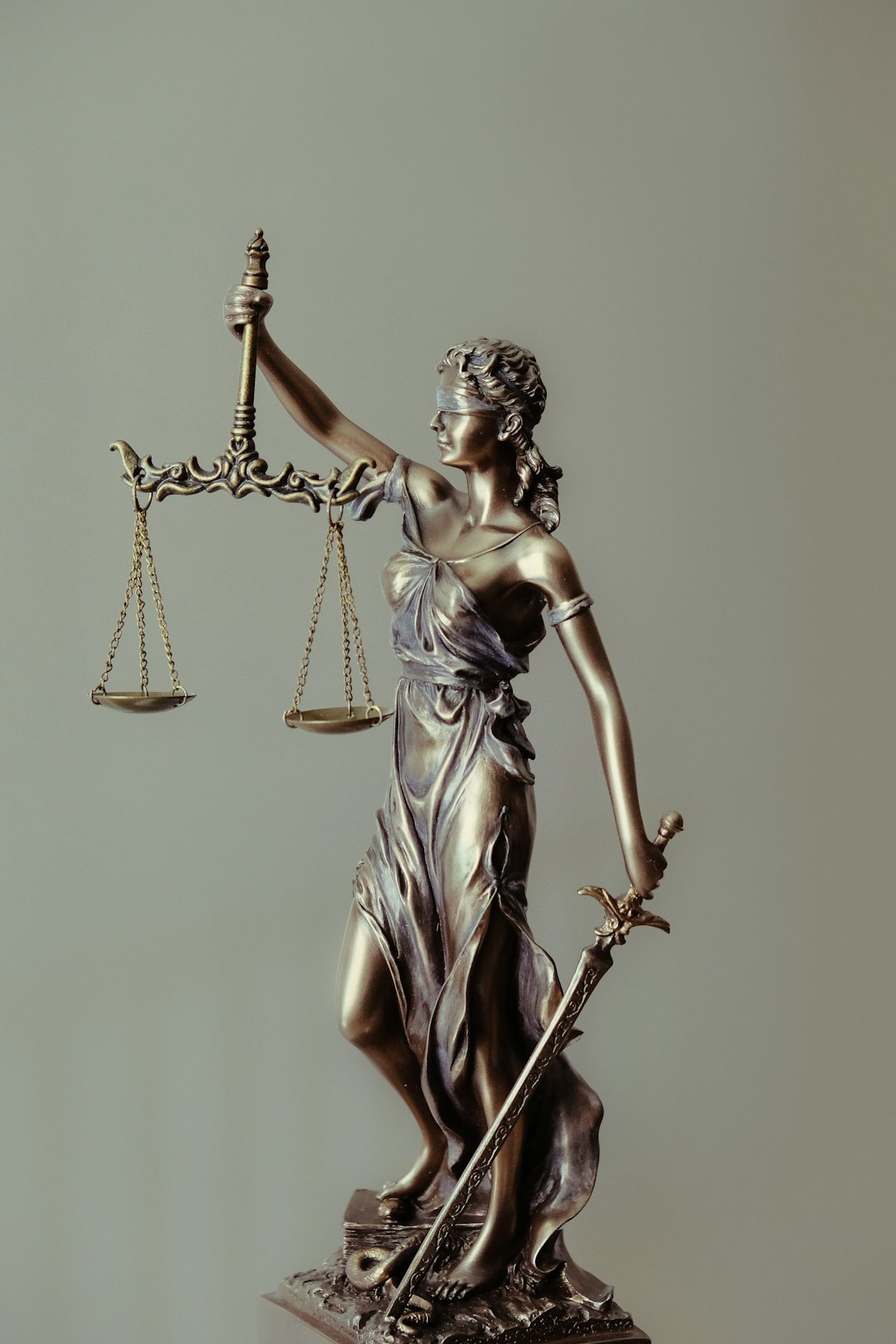
Navigating North Carolina's debt collector laws (NCCAA & FDCPA) is crucial for fair debt recovery and consumer protection. Key aspects include accurate debt information, prohibited practices, debtor rights, reporting regulations, dispute resolution, record-keeping, and strict enforcement with penalties up to $50,000. Adherence ensures ethical collection processes, consumer trust, and legal compliance in NC.
In the intricate landscape of consumer credit and debt collection, navigating North Carolina’s (NC) debt collector laws is paramount for both creditors and debtors alike. These regulations play a pivotal role in ensuring fair practices, protecting individual rights, and fostering transparency within the lending sector. However, the intricate web of rules can pose challenges, leading to misunderstandings and disputes. This article aims to demystify NC debt collection credit reporting laws, offering an authoritative guide to enhance comprehension and promote responsible financial interactions. By delving into this subject, we empower individuals and organizations to navigate the legal framework with confidence, ensuring compliance and equitable outcomes.
Understanding NC Debt Collection Laws

Navigating North Carolina’s debt collection laws is a critical aspect of protecting consumer rights and ensuring fair practices. The state has established stringent regulations to oversee how debt collectors operate, emphasizing transparency and accountability. Understanding these laws is essential for both debtors and creditors alike, as it empowers individuals to know their rights and promotes ethical debt recovery processes.
In North Carolina, the debt collector laws are primarily governed by the North Carolina Collection Agency Act (NCCAA) and the Fair Debt Collection Practices Act (FDCPA). These legislations collectively set forth guidelines for collection agencies and debt collectors operating within the state. The NCCAA specifically regulates collection agency licensing, conduct, and consumer protection, while the FDCPA imposes federal standards for debt collection practices across the nation, including North Carolina. Debts that are in default or past due present a unique set of considerations under these laws, as they balance the creditor’s right to repayment with the debtor’s entitlement to fair treatment.
Practical application of these laws is key to maintaining a harmonious debt recovery process. For instance, debt collectors must provide accurate and clear information about the debt, including the amount owed and the name of the original creditor. They are prohibited from using abusive or coercive language, threatening legal action without intent to follow through, or misrepresenting the character or legal status of the debt. Creditors should remain vigilant in reviewing their rights under these laws, such as requesting validation of the debt within 30 days upon initial contact, ensuring all communications are in writing, and challenging any inaccurate or disputed debt information. By understanding and adhering to North Carolina’s debt collection laws, both parties can navigate the process with fairness and integrity.
Who is Regulated by These Laws?

The North Carolina debt collection credit reporting laws are designed to protect consumers from unfair or abusive practices by debt collectors while ensuring a fair and efficient process for recovering debts. These laws regulate a wide range of entities involved in debt collection activities, including third-party collection agencies, lawyers, and original creditors who outsource their debt recovery operations. The key regulation revolves around the accurate reporting of consumer information to credit bureaus, with penalties for violations.
Debt collectors in NC are bound by strict guidelines regarding the content and timing of credit reports. They must ensure that all reported information is accurate, complete, and up-to-date. This includes verifying the validity of debts before including them in a consumer’s credit report. Any inaccurate or incomplete reporting can lead to legal repercussions, such as lawsuits for damages. For instance, a debt collector who reports an outdated debt as current could significantly harm a consumer’s credit score.
Furthermore, these laws mandate that collectors obtain and verify a consumer’s identity before reporting any information. This verification process includes obtaining the necessary documentation and confirming the debtor’s personal details. Failure to adhere to these regulations can result in regulatory action by the North Carolina Attorney General’s Office, which has the authority to investigate and penalize non-compliant debt collection practices. Consumers affected by such violations have legal recourse, making it crucial for debt collectors to stay informed about and comply with NC debt collection credit reporting laws.
Consumer Rights and Protections

In North Carolina, debt collector laws are designed to protect consumers from unfair or abusive practices while ensuring debt collectors have the means to recover debts owed. The Fair Debt Collection Practices Act (FDCPA) serves as a cornerstone of these protections, mandating that debt collectors treat consumers with fairness and respect for their rights. Under NC debt collection credit reporting laws, consumers are entitled to certain privileges and safeguards throughout the debt collection process.
One of the key consumer rights under these laws is the ability to dispute inaccurate or unverified debts. Consumers can request verification from the debt collector, ensuring that the information reported is correct and, if not, allowing them to correct any errors. Additionally, NC debt collection credit reporting laws restrict the amount and type of information debt collectors can report to credit bureaus. They are prohibited from reporting information they know or should know is false, and consumers have a right to request corrections for inaccurate reports. This helps maintain the integrity of individual credit reports.
Practical insights for consumers include reviewing their credit reports regularly to check for any errors or signs of abusive collection practices. If a consumer identifies an issue, they should immediately dispute it with both the credit bureau and the debt collector. Knowledgeable experts advise that consumers document all communications and keep records of disputed debts. By exercising these rights and protections, North Carolina residents can navigate the complex landscape of debt collection with confidence, ensuring their financial information remains accurate and secure.
Reporting Requirements for Debt Collectors

Debt collector laws NC impose stringent reporting requirements to ensure transparency and fairness in the debt collection process. According to these regulations, debt collectors are mandated to maintain accurate records of all consumer transactions, including details such as the original amount owed, date of default, and current status of the debt. This data is crucial for both consumers, who can verify the legitimacy of collection efforts, and debt collectors, who rely on it for legal compliance and strategic decision-making.
One key aspect of these reporting requirements is the need for timely updates. Debt collectors must promptly report any changes in the debt status to both the consumer and credit bureaus. For instance, if a debtor makes a payment or reaches an agreement to repay, this information should be communicated within a specified timeframe, typically within 48 hours, as per NC debt collection laws. This ensures that consumers are aware of their options and that their credit reports accurately reflect their financial standing.
Furthermore, debt collectors must provide detailed statements to consumers upon request, outlining the charges, interest accrued, and any fees assessed. This transparency fosters trust between collectors and debtors, reducing disputes and promoting a more amicable collection process. For example, if a consumer questions an unexpected charge on their report, having clear and accessible records can facilitate a quick resolution without escalating the issue. By adhering to these reporting requirements, debt collectors not only comply with NC laws but also enhance their reputation and maintain professional standards.
Enforcement and Penalties for Violations

The North Carolina debt collection credit reporting laws are strictly enforced to protect consumers from unfair practices. Violations of these laws can result in significant penalties for debt collectors, up to $50,000 per violation. The North Carolina Attorney General’s Office actively investigates and prosecutes cases involving improper debt collection tactics, including incorrect or inaccurate reporting on credit bureaus. For instance, a 2018 case saw a debt collector fined $300,000 for filing thousands of false reports, underscoring the gravity of such infringements.
Debt collectors in North Carolina must adhere to strict guidelines when reporting information about consumers’ debts. They are prohibited from reporting obsolete or inaccurate data, and any willful or negligent violations can lead to legal repercussions. The Fair Credit Reporting Act (FCRA) further mandates that debt collectors verify the accuracy of information before submitting it to credit bureaus. In 2020, a settlement between a North Carolina-based debt collector and the Federal Trade Commission (FTC) resulted in improved reporting practices and a $1 million penalty for past violations, demonstrating the strict enforcement of these laws.
Enforcement mechanisms include consumer complaints, which trigger investigations by state regulators. Consumers who believe their credit reports are incorrect or misleading can file disputes with the credit bureaus and the Attorney General’s Office. Debt collectors found to have violated the NC debt collection credit reporting laws may face not only monetary fines but also damage to their reputation and potential loss of licensing. To mitigate these risks, debt collectors should ensure comprehensive training for staff on FCRA regulations, implement rigorous internal controls, and maintain meticulous records.