
Georgia's Do Not Call laws protect consumers from unsolicited sales calls (up to $1,500/call fines) enforced by the Attorney General's Office. Businesses must obtain explicit consent before calling, facing severe penalties and reputational damage. Regular compliance reviews by a lawyer for Do Not Call Laws Georgia and best practices adherence are crucial. Consumers can report violations, file claims, or engage legal counsel for resolution. Companies violating these laws face substantial fines, reputation harm, and legal consequences. Best practices include training, technology tools, risk assessments, clear consent forms, and ethical marketing.
In today's digital age, where sales and marketing efforts are increasingly aggressive, understanding the implications of violating Do Not Call laws remains crucial for businesses operating in Georgia. These regulations, designed to protect consumers from unwanted telemarketing calls, carry significant penalties for non-compliance. The consequences can include substantial fines and damage to a company's reputation. This article delves into the intricacies of these laws, detailing what happens when companies ignore them. We explore the legal ramifications, offer practical advice on compliance, and emphasize the importance of seeking expert counsel from a lawyer specializing in Do Not Call Laws Georgia to mitigate risks and ensure business integrity.
Understanding Georgia's Do Not Call Laws
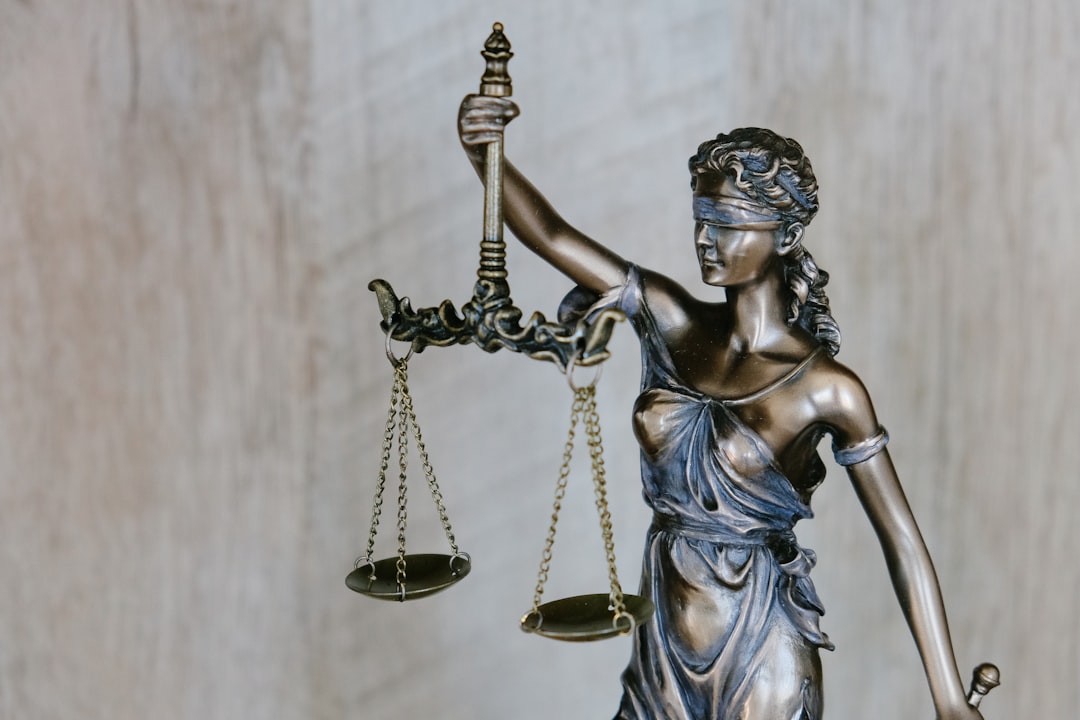
In Georgia, Do Not Call laws are designed to protect consumers from unsolicited sales calls. Violating these regulations can lead to significant legal repercussions for businesses. The Georgia Attorney General's Office enforces these laws rigorously, often working with a lawyer for Do Not Call Laws Georgia to secure penalties and deter future infractions. Fines for violations can range from $100 to $1,500 per call, with additional damages if the court finds willful or intentional disregard for the law.
Georgia's Do Not Call laws specifically prohibit telemarketers from making sales calls to residents who are on the state's "Do Not Call" list. This list is maintained by the Georgia Public Service Commission (GPSC) and allows individuals to opt-out of receiving such calls. Businesses that ignore this restriction face not only financial penalties but also potential reputational damage. For instance, a 2022 case saw a company fined $13,500 for making nearly 20,000 unauthorized calls, highlighting the severity of such violations.
To avoid these pitfalls, businesses must ensure they have explicit, documented consent from consumers before initiating sales calls. This includes obtaining verifiable opt-in agreements and maintaining robust internal procedures to prevent accidental or unauthorized calling. Regular reviews by a lawyer specializing in Georgia's Do Not Call Laws can help ensure compliance, protect against penalties, and maintain customer trust. Businesses should also be aware of industry best practices, such as providing clear opt-out instructions during calls and respecting consumer choices to stop future contact.
Violating the Rules: Potential Consequences

When companies violate Do Not Call laws in Georgia, they risk significant legal repercussions. Such violations can lead to a range of consequences, including substantial fines and potential class-action lawsuits. The Georgia Attorney General's Office takes these infractions seriously, enforcing the state's Telephone Consumer Protection Act (TCPA) to protect consumers from unwanted telemarketing calls. Companies found guilty of making calls in violation of registered "Do Not Call" status can face penalties of up to $500 per call, with damages tripling if willful or knowing violations are established by a court.
For instance, in recent years, several large corporations have faced legal action for ignoring Georgia's Do Not Call registry. These cases highlight the importance of compliance. One notable example saw a telecommunications giant fined millions for bombarding consumers with unsolicited calls, despite their inclusion on the state's "Do Not Call" list. This incident not only resulted in substantial monetary penalties but also damaged the company's public image. Engaging the services of a lawyer specializing in Do Not Call Laws Georgia can help businesses navigate these complex regulations and minimize potential risks.
Legal experts recommend that companies implement robust compliance programs, including staff training, automated call screening systems, and meticulous record-keeping. A proactive approach to ensuring compliance is key to avoiding costly mistakes. Furthermore, businesses should be aware of their obligations under the TCPA, which requires explicit consent for telemarketing calls and provides clear guidelines on how consumers can register complaints and opt-out of future calls. Regular audits and updates to call procedures can help organizations maintain compliance as laws and consumer expectations evolve.
Consumer Rights and Legal Recourse

When companies violate Do Not Call laws in Georgia, consumers are not just left with unsolicited phone calls—they also face potential financial losses and privacy intrusions. Such violations can lead to significant legal repercussions for businesses, including substantial fines, consumer compensation, and damage to their reputation. In Georgia, the Office of the Attorney General actively enforces these laws, working to protect residents from deceptive marketing practices. Consumers who experience Do Not Call law violations have several legal avenues to explore, starting with documentation. Keeping detailed records of calls, including dates, times, and any recorded interactions, can serve as robust evidence in subsequent legal actions.
Consuming a substantial number of unlawful calls can lead to consumers seeking relief through small claims court or hiring a lawyer for Do Not Call Laws Georgia to file a lawsuit against the offending company. The latter option is particularly advisable when dealing with repeated infractions or large corporations, as it ensures proper representation and maximizes potential compensation. Legal experts in this field recommend promptly ceasing any communication with the violative company and gathering all relevant data before initiating legal action. A lawyer specializing in Georgia Do Not Call Laws can guide consumers through the intricacies of their rights, helping them navigate the complexities of filing a claim effectively.
Moreover, consumers may also report these violations to the Attorney General's office, which investigates complaints and takes appropriate action. While individual consumers might not always find it feasible or cost-effective to pursue legal avenues alone, collective actions through class-action lawsuits can yield substantial results in holding companies accountable for systematic Do Not Call law violations. This collective approach not only ensures justice but also serves as a powerful deterrent against future infringements.
The Role of Attorney Representation

When companies violate Do Not Call laws in Georgia, they face significant legal repercussions. The state of Georgia has stringent regulations to protect consumers from unwanted telemarketing calls, and enforcement actions can result in substantial fines and penalties. A key aspect of navigating these issues is securing competent legal representation from a lawyer for Do Not Call Laws Georgia. These attorneys specialize in telecommunications law and possess in-depth knowledge of the state's specific regulations, such as those outlined in the Occupational Code § 10-1-360 et seq.
Violations can occur due to inadvertent errors or intentional disregard for the laws, leading to consumer complaints and legal actions by the Georgia Attorney General's Office or private individuals. A lawyer with expertise in this area plays a pivotal role in mitigating damages. They assist in understanding the specifics of the violation, gathering evidence, and developing strategies to resolve the issue. This may involve negotiating settlements, representing the company in administrative proceedings, or even litigating against the AG's office in court.
For instance, a recent case highlighted the importance of legal counsel when a major telecommunications company was fined for thousands of unauthorized calls made despite being on the Do Not Call registry. With the guidance of an experienced Georgia lawyer for Do Not Call Laws, the company was able to navigate the legal process effectively, ultimately reducing the penalty and establishing a more robust compliance framework. This underscores the crucial role attorneys play in ensuring companies not only comply with regulations but also learn from their mistakes, thereby avoiding future violations.
Preventing Future Infractions: Best Practices

When companies violate Georgia's Do Not Call laws, it not only disrupts individual privacy but also invites severe legal repercussions. Upon receiving a valid complaint, the Georgia Attorney General's office can take action against offending parties. Fines can be substantial, typically ranging from $100 to $500 per violation, with potential penalties of up to $10,000 for repeated or willful infringements. Beyond financial penalties, a company's reputation can suffer significantly. In today's digital age, where word-of-mouth and online reviews carry immense weight, a single violation can be a PR disaster.
Preventing future infractions requires a comprehensive approach. Firstly, companies should invest in robust training programs for their sales and marketing teams. This includes clear communication of Do Not Call laws, emphasis on obtaining explicit consent before calling, and reinforcement of responsible telemarketing practices. Regular reviews and updates to company policies are essential, especially with the dynamic nature of consumer protection legislation. Additionally, employing technology solutions such as do-not-call lists and automated screening tools can help ensure compliance.
Engaging a lawyer specializing in Do Not Call Laws Georgia can offer crucial expertise. Legal professionals can conduct risk assessments, draft and review company policies, and provide guidance on best practices to prevent future violations. They can also assist with internal investigations and represent the company during any legal proceedings, ensuring that all actions are taken in accordance with the law. For instance, a lawyer could help craft consent forms that clearly outline the customer's rights, thereby reducing the likelihood of unintended infractions.
By implementing these best practices, companies not only mitigate the risk of legal penalties but also foster trust and respect among their customer base. Ultimately, adhering to Do Not Call laws is not just about avoiding punishment; it's about building sustainable, ethical business relationships that stand the test of time.