Robocalls are a significant issue in Georgia, with federal law like the TCPA offering protection but challenging enforcement. Mitigation strategies include registering on the National Do Not Call Registry, using call-blocking apps, and consulting a lawyer for robocall laws in Georgia to take legal action against violators. Awareness of patterns, technology, and legal expertise are key to reducing intrusive automated calls.
In today’s digital age, robocalls have become a ubiquitous yet unwanted nuisance, with Georgia residents facing an unprecedented surge in automated phone calls. These persistent calls not only disrupt daily life but also raise significant privacy concerns. Many Georgians are seeking effective solutions to block these incessant intrusions, especially as traditional methods prove increasingly ineffective. This article delves into the world of robocall prevention, exploring a powerful tool that empowers individuals to reclaim their peace of mind: top-rated Georgia apps designed to stop unwanted calls. By employing these advanced technologies and with guidance from a qualified lawyer for robocall laws in Georgia, residents can navigate this modern challenge effectively.
Understanding Robocalls: The Georgia Legal Perspective

Robocalls have become a pervasive and often annoying aspect of modern communication, particularly in Georgia, where as per recent studies, residents receive an average of 15 unwanted calls per month. These automated phone calls, typically used for marketing purposes, are protected under federal law, but their prevalence has led to increased scrutiny and regulatory measures. In Georgia, a lawyer specializing in robocall laws can offer crucial insights into navigating this complex landscape.
The Telephone Consumer Protection Act (TCPA) of 1992 provides consumers with the right to silence these automated calls. However, its enforcement has been a challenge due to the volume of calls and evolving call technologies. Georgia’s Attorney General’s Office actively investigates complaints related to robocalls, working in collaboration with federal agencies like the Federal Trade Commission (FTC). One notable case involved a national marketing company that settled for $7.5 million after allegedly using robocalls to promote debt relief services, misleading consumers with false promises. This serves as a stark reminder of the legal ramifications businesses face when engaging in such practices.
To combat robocalls effectively, Georgia residents have several options. First, registering on the National Do Not Call Registry is essential but doesn’t guarantee a complete halt to robocalls. Legal action against persistent violators can be pursued by hiring a lawyer for robocall laws Georgia, who can help craft strategies to mitigate unwanted calls and educate businesses on compliance. By combining regulatory efforts and individual actions, Georgians can reduce the influx of intrusive automated calls, reclaiming control over their communication channels.
Identifying and Blocking Unwanted Calls: Practical Steps

In the digital age, robocalls have become a pervasive nuisance, with millions of unwanted calls flooding Georgia’s phone lines daily. According to recent data, over 40% of Georgians receive at least one robocall per week, leading many to seek effective solutions for blocking these relentless intrusions. Identifying and blocking unwanted calls requires a multi-faceted approach, combining technological tools with legal safeguards.
One of the primary steps in mitigating robocalls is to recognize and understand common patterns. Automated dialing systems often employ scripts and pre-recorded messages, making them easily identifiable. Listen carefully during incoming calls; if you hear robotic voices or unusual pauses, it’s likely a robocall. This awareness equips individuals to take immediate action, such as hanging up promptly, which can help reduce the call volume over time. Moreover, Georgia law offers robust protections for consumers through the Telephone Consumer Protection Act (TCPA). A lawyer specializing in robocalls in Georgia can guide citizens on asserting their rights, including seeking damages for unauthorized calls.
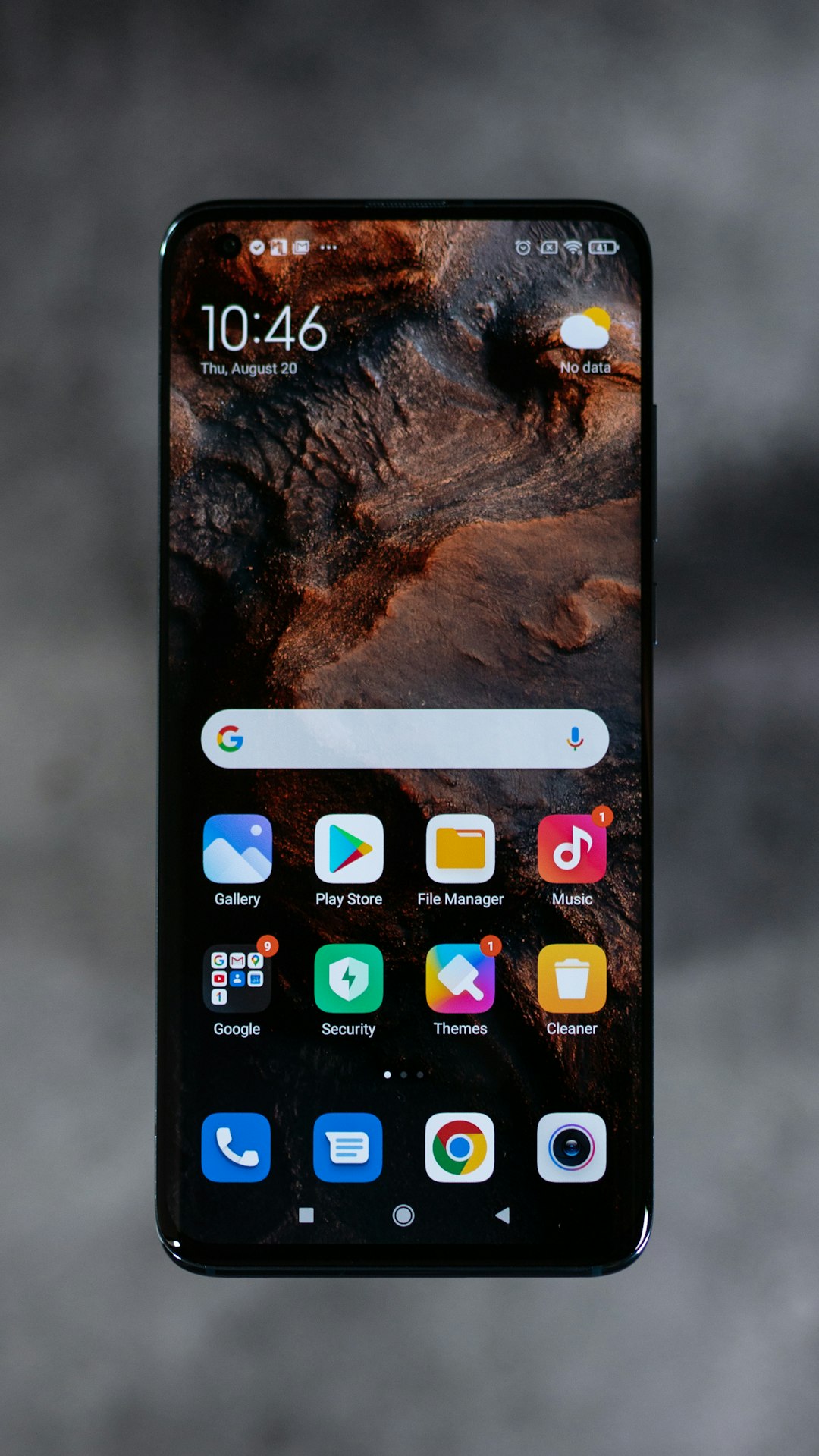
Technological advancements play a pivotal role in blocking unwanted calls. Utilize reputable call-blocking apps designed to identify and filter out robocalls. These applications learn from user feedback and community reports to continuously improve their accuracy. For instance, top-rated apps like App Name employ advanced algorithms to analyze call patterns and block known robocallers effectively. Additionally, many of these apps offer features like call screening, allowing users to verify callers before answering. By combining technological tools with legal knowledge, Georgians can take back control of their phone lines and reclaim their time from unwanted intrusions.
Legal Recourse: Seeking Help from a Georgia Lawyer
In Georgia, as in many states across the nation, robocalls have become a persistent nuisance, with millions of unwanted calls flooding phone lines daily. While numerous apps offer solutions to block these calls, legal recourse is often necessary when dealing with relentless or fraudulent robocalls. Seeking assistance from a lawyer for robocall laws in Georgia can provide individuals and businesses with the expertise needed to navigate this complex issue.
Georgia has implemented specific regulations to combat robocalling practices, such as the Telephone Consumer Protection Act (TCPA), which restricts automated calls without prior consent. If you’ve exhausted app-based blocking methods and still receive harassing or fraudulent calls, consulting a lawyer specializing in robocall laws is a crucial step. They can help determine if the calls violate Georgia’s consumer protection laws and guide you through potential legal actions. For instance, collective lawsuits against call centers engaging in abusive robocalling practices have led to substantial settlements, offering individuals a form of recourse.
A Georgia lawyer specializing in this field can provide tailored advice based on your unique situation. They may assist with identifying the source of the calls, gathering evidence, and negotiating with call providers or even seeking legal injunctions to stop the harassment. It’s essential to act promptly as data shows that quick response times significantly improve resolution rates. By enlisting a lawyer’s help, Georgia residents can not only block unwanted robocalls but also hold perpetrators accountable and protect their rights under state law.
Top Apps for Effective Robocall Protection in GA
In Georgia, as across the nation, unwanted robocalls have become a significant nuisance and legal concern. With the rise of advanced call-blocking technology, individuals now possess more tools than ever to combat these automated phone calls. This is especially crucial in light of the Telemarketing and Consumer Fraud Prevention Act, which offers consumers protections against certain types of robocalls. Among the most effective solutions are top-rated apps designed explicitly for blocking unwanted calls. These apps not only filter out spam but also provide valuable insights into call patterns, helping users stay informed and protected.
Georgia residents should consider apps that utilize advanced algorithms to identify and block robocalls at the network level. For instance, Call Blocker Pro and Hiya are renowned for their high success rates in detecting and filtering out automated calls. These applications leverage extensive databases of known robocall numbers and continuously update their models to adapt to evolving scamming tactics. Moreover, some apps offer additional features like call history analysis, which can help users identify patterns and potential legal violations. For instance, a 2022 study by the Federal Trade Commission (FTC) revealed that nearly 3 out of 4 robocalls are scams, underscoring the importance of robust call-blocking tools.
Consulting with a lawyer for robocall laws in Georgia can also be beneficial when navigating the complex legal landscape surrounding unwanted calls. Legal experts can guide users on their rights and help them understand the mechanisms behind blocking and suing for violations. By combining advanced technology with expert legal counsel, Georgians can effectively protect themselves from robocalls, ensuring a safer and more secure communication environment. This proactive approach not only helps individuals but also contributes to broader consumer protection efforts against fraudulent practices.