Robocalls are a growing problem in North Dakota, but residents can protect themselves through the Telephone Consumer Protection Act (TCPA). Key steps include understanding TCPA rights, using reputable robocall blocking apps like TrueCall, NoMoRobo, and CallGuard, and consulting a lawyer for robocall laws North Dakota for tailored legal guidance. These measures empower users to reclaim control over their communication channels while adhering to local regulations.
In the digital age, robocalls have become a pervasive and often unwanted nuisance for North Dakota residents, with countless numbers attempting to reach them daily. This growing problem not only disrupts peace of mind but also poses challenges for individuals seeking reliable communication channels. As such, there’s a pressing need for effective solutions—specifically, robust robocall blocking apps tailored to the unique requirements of North Dakota users.
This article aims to provide an authoritative guide, offering insights into the best applications available and how they can be utilized to mitigate unwanted calls. With expert recommendations from legal professionals specializing in privacy laws North Dakota, we ensure that users are equipped with the knowledge to protect their rights and regain control over their communication channels.
Understanding Robocalls in North Dakota: Legal Perspective

In North Dakota, like many states across the nation, robocalls have become a pervasive and often disruptive aspect of daily life for residents. While automated telephone calls can offer valuable services, they also present a significant nuisance when used without regard for consumer consent or legal restrictions. Understanding the legal perspective surrounding robocalls is essential for North Dakota users looking to protect themselves from unwanted communication.
The Telephone Consumer Protection Act (TCPA) serves as the primary legislation governing robocalls in the United States, including North Dakota. This federal law prohibits automated phone calls from being placed to residential telephone numbers without prior express consent. Moreover, it mandates that businesses obtain explicit permission before calling mobile phones, addressing a growing concern as more people rely on smartphones for personal communication. A lawyer specializing in robocall laws North Dakota can offer invaluable guidance on navigating these legal requirements and ensuring compliance. For instance, businesses must provide clear opt-out mechanisms during the initial contact and honor requests to stop receiving calls, or they risk facing legal repercussions.
Despite legislative safeguards, consumers still face challenges in blocking robocalls effectively. Scammers often employ sophisticated techniques to bypass traditional blocking methods, making it a dynamic battle. North Dakota residents should be aware of their rights and the available tools to mitigate unwanted calls. Utilizing reputable robocall blocking apps, combined with legal expertise, can empower individuals to take control of their communication experiences. By staying informed about their rights under the TCPA and consulting with lawyers for robocall laws North Dakota, users can defend themselves against intrusive automated calls while contributing to a safer and more regulated telephone environment.
Top Robocall Blocking Apps for ND Users: Comprehensive Review

In North Dakota, as in many parts of the country, robocalls have become a persistent and often nuisance issue for residents. These automated phone calls, often marketing or fraudulent in nature, can be particularly bothersome. Fortunately, various robust robocall blocking apps are available to offer relief. This section provides an in-depth review of the top applications designed to mitigate this growing problem, offering North Dakota users a practical guide to reclaiming their telephone lines from unwanted calls.
Leading the way is TrueCall, consistently ranked among the most effective solutions on the market. Utilizing advanced AI technology, it identifies and blocks not only robocalls but also spam texts. The app’s extensive call history database enables it to learn and adapt to new patterns, ensuring continuous protection. Moreover, TrueCall offers a ‘Whos Calling’ feature, providing detailed caller information even for unidentified numbers. Another standout app is NoMoRobo, praised for its ease of use and high success rate in blocking telemarketers. It integrates seamlessly with major smartphone operating systems and provides users with real-time data on call origins.
For North Dakota residents seeking comprehensive protection, CallGuard stands out. This app not only blocks robocalls but also allows users to report suspicious activities, contributing to a collective effort to combat fraudsters. Its advanced algorithms analyze calls at lightning speed, ensuring minimal false positives. Additionally, CallGuard offers personalized call filtering based on user preferences and location. When considering legal options against unwanted calls, consulting with a lawyer specializing in robocall laws in North Dakota can provide valuable guidance. These apps represent a powerful tool in the ongoing battle against intrusive robocalls, empowering users to regain control of their communication channels.
How to Choose the Best Anti-Robocall Solution: A Lawyer's Guide
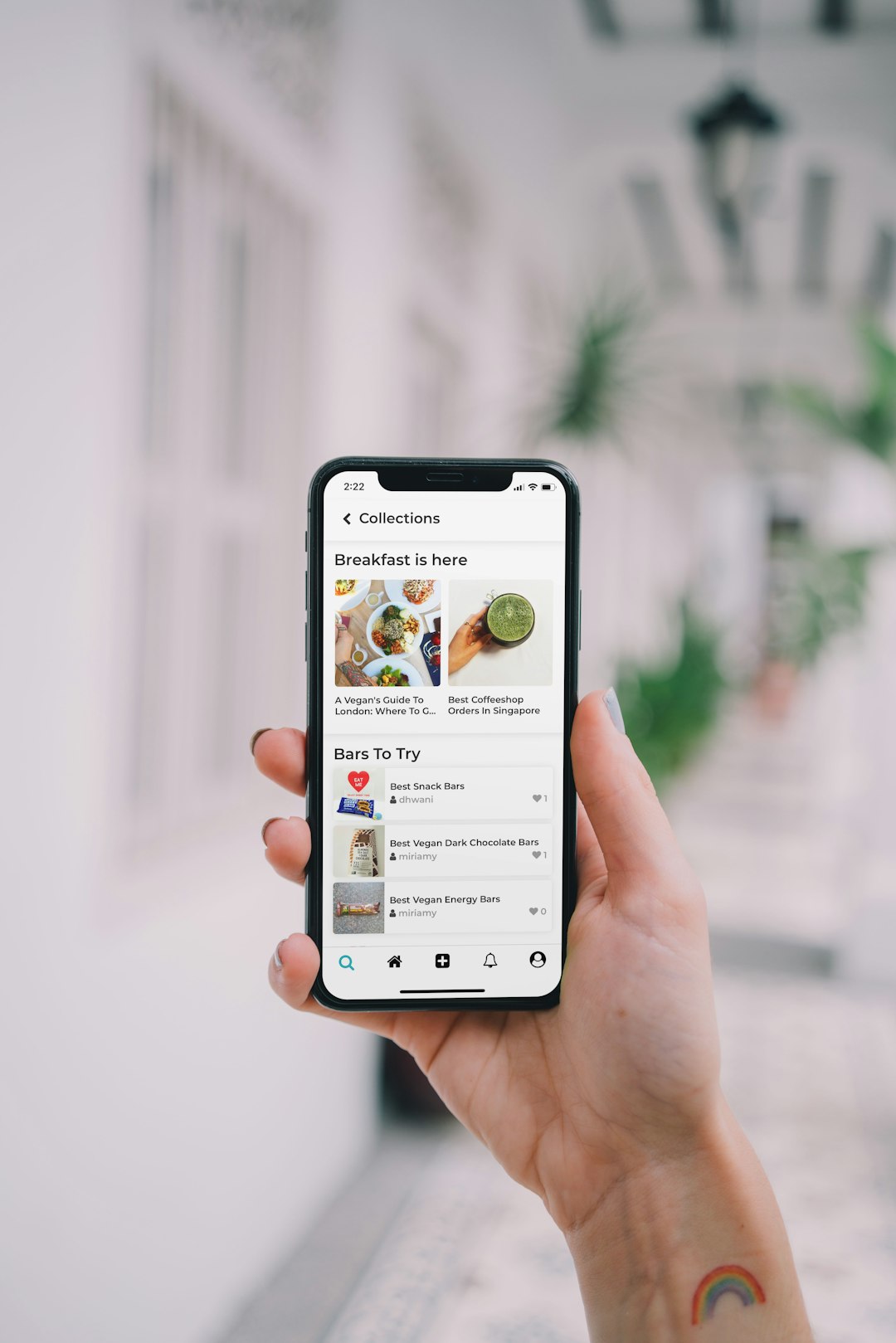
Choosing the best anti-robocall solution is a critical step for North Dakota users looking to protect their privacy and peace of mind. As robocalls continue to evolve in sophistication, so must the tools we use to combat them. A lawyer specializing in consumer protection or privacy rights can offer invaluable insights tailored to local laws, like those in North Dakota. They can guide users on navigating the complex landscape of call blocking apps, ensuring compliance with regulations while maximizing effectiveness.
One key consideration is understanding the legal framework surrounding robocalls in North Dakota. The Telephone Consumer Protection Act (TCPA) restricts automated calls for marketing purposes without prior express consent. A lawyer can help interpret these laws and advise on app features that align with them. For instance, some apps offer do-not-call lists or allow users to report spam, providing a legal defense against unwanted calls. Additionally, looking for apps with robust data security measures is essential, as protecting personal information is paramount.
Practical insights from such a lawyer include evaluating app reviews and developer transparency. Reputable developers often share details about how their apps filter calls, ensuring they use legitimate methods without compromising user privacy. Regular updates are also critical; a lawyer for robocall laws in North Dakota would emphasize the importance of staying current with app advancements designed to counter new robocall tactics. By combining legal expertise and practical considerations, users can make informed decisions, choosing an anti-robocall solution that not only blocks unwanted calls but also safeguards their rights.