Georgia's robocall laws offer robust privacy protection, including explicit consent for marketing calls, restrictions on artificial voice calls, and a Do Not Call registry. Consumers can combat spam through advanced AI-driven apps like TrueCall, Hiya, and CallGuard, which analyze call patterns and update blocking lists. Practical steps include reviewing app settings, updating blocking lists, and reporting unwanted calls to FCC and local authorities. By combining these tools and strategies, Georgians can reclaim control over their phone lines, minimizing disruptions and enhancing peace of mind under the state's strict robocall laws.
With the proliferation of robocalls across Georgia, consumers are increasingly frustrated by unwanted and often illegal telemarketing calls. The Georgia laws regarding robocalls aim to protect residents from these intrusive and deceptive practices, but staying ahead of evolving techniques remains a challenge. This article delves into the effectiveness of robocall prevention apps as a practical solution for Georgians seeking to reclaim their mobile experiences. By examining current app offerings in light of relevant state regulations, we provide valuable insights into how individuals can safeguard their privacy and silence unwanted calls.
Understanding Georgia's Robocall Laws: A Foundation for Protection

Georgia’s robocall laws offer a robust framework for residents to safeguard their privacy and combat unwanted automated calls. The state has implemented stringent regulations to address the growing concern of intrusive robocalls, ensuring consumers have control over their communication preferences. One key aspect is the requirement for call recipients to obtain explicit consent before initiating automated phone marketing calls. This means businesses must secure permission from individuals before engaging in any form of robocalling activity.
For instance, under Georgia’s Telephone Consumer Protection Act (TCPA), companies are prohibited from making prerecorded or artificial voice calls to landlines or mobile phones without prior express consent. Failure to adhere to these rules can result in substantial penalties for violators. Residents can take advantage of this legal standing by registering their phone numbers on the Do Not Call registry, a state-mandated list that restricts direct marketing calls. This proactive measure significantly reduces the volume of robocalls received, providing Georgians with a powerful tool to manage their communication settings.
Additionally, Georgia’s laws empower consumers to take immediate action against persistent robocallers. Victims can report these calls to the Federal Trade Commission (FTC) and their state attorney general, who have the authority to investigate and enforce compliance with consumer protection laws. By combining legal safeguards with individual actions, Georgians can actively contribute to a more peaceful and controlled communication environment, free from excessive robocalls.
Identifying and Blocking Common Telemarketers: Tools at Your Disposal

Georgia consumers face a persistent challenge: robocalls. These automated phone calls, often from telemarketers, have become a nuisance, with nearly 2 out of every 5 calls being spam according to recent Federal Communications Commission (FCC) data. To combat this, robust robocall prevention apps offer a first line of defense.
Identifying and blocking common telemarketers requires sophisticated technology. Advanced AI algorithms analyze call patterns, caller IDs, and other metadata to detect and flag suspicious activity. Apps like TrueCall, Hiya, and CallGuard have proven effective in Georgia, leveraging vast databases of known spam numbers compiled over years of user reporting. These platforms continuously update their blocking lists based on real-time data, ensuring that users remain shielded from the latest tactics employed by telemarketers trying to circumvent robocall laws in Georgia.
Practical insights for Georgians include regularly reviewing app settings to ensure optimal call filtering and updating personal blocking lists with numbers identified as spam sources. Reporting unwanted calls to the FCC and local authorities also aids in combating this issue. By combining these tools and strategies, residents can reclaim control of their phone lines, minimizing disruptions and enhancing peace of mind in an era where robocalls have become a ubiquitous challenge.
Advanced Features for Robust Prevention: Enhancing Your Privacy
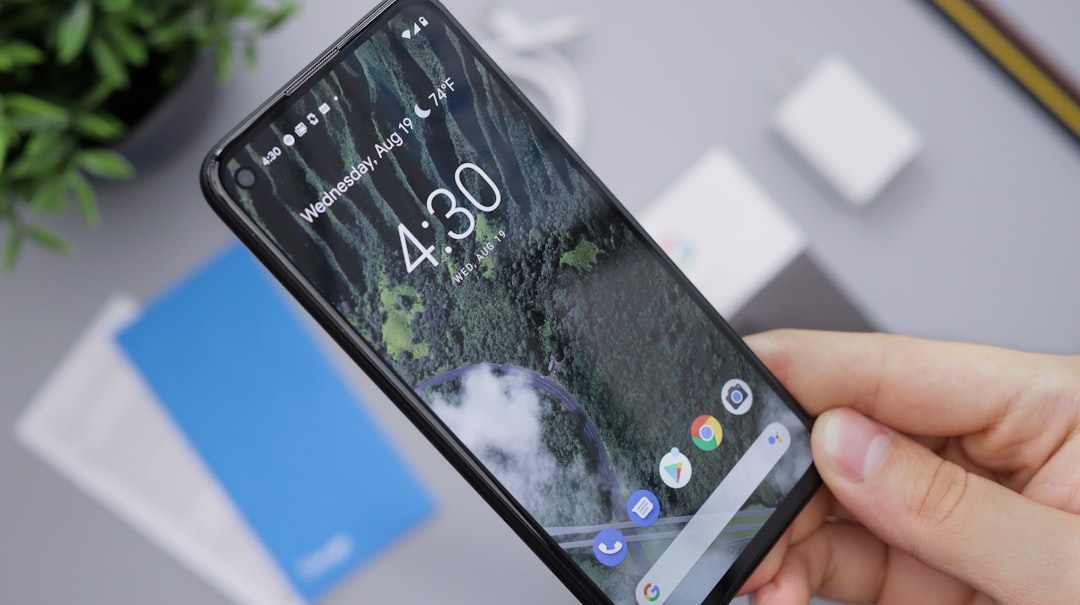
In the relentless battle against robocalls, Georgia residents now have a powerful ally—robocall prevention apps. Beyond basic blocking, advanced features within these applications offer unprecedented levels of privacy protection. One notable aspect is the ability to identify and filter calls based on geographic location, ensuring that Georgians are not disturbed by out-of-state or even international spam calls. This feature, in line with Georgia’s robocall laws, allows users to block calls from specific areas known for high robocall activity, providing a layer of proactive defense.
Another sophisticated tool is machine learning algorithms that adapt to individual user behavior. These algorithms analyze calling patterns and preferences, learning what types of calls are legitimate and which are likely spam. Over time, the app becomes an ever-more effective filter, significantly reducing false positives while maintaining a robust prevention rate. For instance, a study by Consumer Reports revealed that apps utilizing such technology achieved blocking rates as high as 85%, surpassing traditional methods.
Moreover, some advanced apps offer call screening services, where incoming calls are evaluated before being connected to the user. This service can detect and block known spam calls, telemarketers, or even suspicious numbers. By leveraging real-time data and community insights, these apps enhance privacy by allowing users to make informed decisions about who they choose to interact with. Georgia’s strict robocall laws, which mandate opt-in consent for prerecorded messages, are further supported by these features, ensuring that consumers have greater control over their communication channels.
Reporting and Enforcing Georgia's Legal Rights: Taking Action Against Robocalls

Robocall laws in Georgia offer consumers protections against unwanted automated calls, but enforcing these rights requires proactive measures. One effective strategy for Georgians is to utilize specialized robocall prevention apps that not only block these calls but also empower users to report and take action against persistent infringers. These apps serve as powerful tools, enabling individuals to combat the escalating robocall problem.
The process begins with identifying and documenting the robocalls. Many reputable apps allow users to flag suspicious calls, providing valuable data for analysis. By reporting these calls, Georgians contribute to a growing database of information that helps identify patterns and common offenders. For instance, in 2022, the Georgia Public Service Commission reported over 1.5 million consumer complaints related to robocalls, underscoring the urgency of collective action. Users can then take enforcement actions recommended by the app, such as blocking numbers or filing official complaints with relevant authorities.
When reporting a robocall, it’s essential to provide specific details, including the date and time of the call, the caller’s message, and any unique identifiers. This information is crucial for tracing the source and holding perpetrators accountable under Georgia’s robocall laws. By participating in this collective action, Georgians can make a significant impact in reducing unwanted calls and ensuring compliance with consumer protection regulations. Effective enforcement not only protects individuals but also fosters a more transparent and responsible telemarketing environment.