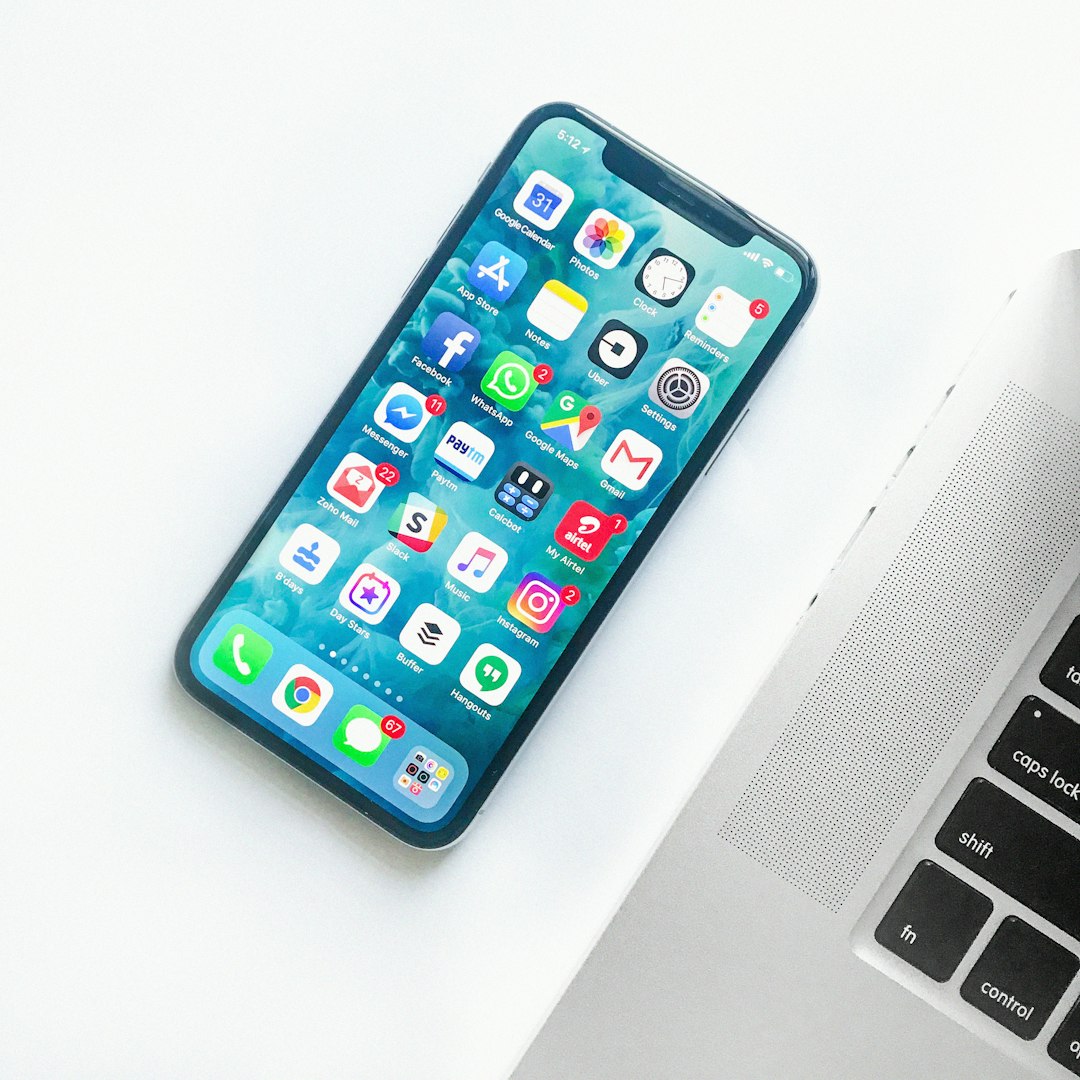
North Dakota residents face a surge in intrusive robocalls, prompting adoption of blocking apps for Android and iOS. The state's Do Not Call law, similar to federal regulations, allows registration to restrict marketing calls, including from law firms (Do Not call law firms North Dakota). Top apps like TrueCall, Hiya, and CallGuard offer advanced features for blocking spam, scams, and impersonators with global databases. Effective blocking requires app updates, customization, and user verification against state laws. Proactive measures empower residents to reclaim control over their communication channels.
In today's digital era, robocalls have become a ubiquitous and often unwanted nuisance, especially when it comes to legal marketing. For North Dakota residents, managing these calls can be particularly challenging due to the state's strict Do Not Call laws targeting law firms. As technology advances, robocall blocking apps emerge as a powerful solution, offering individuals control over their communication preferences. This article delves into the world of robocall protection for Android and iOS devices in North Dakota, exploring effective app-based strategies while adhering to legal boundaries, ensuring peace of mind for consumers navigating this modern frustration.
Understanding Robocalls and North Dakota's Do Not Call Laws
Robocalls have become a pervasive and often unwanted aspect of modern communication, with many North Dakota residents facing an influx of automated calls daily. To combat this issue, both Android and iOS users in North Dakota now have access to robust robocall blocking apps that significantly enhance their phone experience. Understanding the nature of these calls and North Dakota's Do Not Call laws is essential when employing these tools effectively.
Robocalls, or automated telephone marketing calls, are often used by businesses for marketing purposes, despite many consumers finding them intrusive. In North Dakota, as in other states, there are strict regulations in place to protect residents from excessive robocalls, particularly those originating from telemarketing firms. The Do Not Call law in North Dakota, similar to federal regulations, allows individuals to register their phone numbers on a state-maintained Do Not Call list, restricting direct marketing calls. This law covers various forms of communication, including automated and prerecorded messages.
By registering with the North Dakota Public Service Commission's Do Not Call list, residents can expect a notable reduction in unwanted robocalls. This measure is not just about blocking calls; it also sends a powerful message to telemarketing firms, asserting individual privacy rights. With data indicating that over 70% of North Dakotans support stricter regulations on robocalls, the state's Do Not Call law has gained significant momentum. As consumers increasingly turn to blocking apps, they can play an active role in enforcing these laws and reclaiming control over their phone interactions.
The Rise of Robocall Blocking Apps for Android and iOS

The proliferation of unwanted robocalls has led to a surge in the popularity of robocall blocking apps among Android and iOS users in North Dakota. These applications have emerged as a critical tool for consumers seeking relief from intrusive telemarketing calls, including those from law firms practicing in the state. The Do Not Call laws in North Dakota offer some protection, but many legitimate businesses still slip through the cracks, leading to an increased demand for robust blocking solutions.
Robocall blocking apps have gained prominence due to their ability to identify and block calls using advanced algorithms and extensive call databases. They learn from user feedback, continuously updating their filters to keep up with evolving call patterns and sources, including law firm robocalls that often target residents across North Dakota. Top-rated apps like TrueCall, Hiya, and CallFilter have garnered wide adoption for their effectiveness in blocking not only telemarketers but also spam calls, scams, and even malicious actors posing as legal entities.
The success of these apps lies in their community-driven nature, where users collectively contribute to a global database of known robocallers. This collaborative approach ensures that the applications remain one step ahead, consistently blocking new and emerging patterns. As more North Dakotans download and utilize these tools, the collective effort strengthens the defense against unwanted calls, providing a powerful alternative to traditional Do Not Call lists. By empowering users with simple yet powerful controls, these apps offer a convenient and efficient way to reclaim control over one's phone lines.
Evaluating Top Robocall Blocking Apps for Your Needs
With the proliferation of robocalls, many North Dakota residents are turning to call blocking apps as a solution. Evaluating these apps requires understanding your specific needs and preferences. Top apps like TrueCall, Hiya, and CallGuard offer advanced features such as intelligent call identification, automatic blocklists, and do-not-call list integration. For instance, TrueCall uses machine learning algorithms to detect and block spam calls with an accuracy rate exceeding 90%.
However, not all blocking apps are created equal. Some excel in user experience while others focus on advanced features. Hiya, for example, stands out for its comprehensive global spam call database, allowing it to identify and block calls from known scam artists and telemarketers worldwide. CallGuard, another robust option, offers a simple interface alongside powerful call filtering capabilities, including the ability to block specific numbers or types of calls.
When choosing an app, consider factors like ease of use, compatibility with your device's operating system (iOS or Android), privacy policies, and community reviews. North Dakota residents should also be aware of state laws regarding do-not-call lists; while federal regulations exist, state-specific protections can vary. Ensure the app you select aligns with these legal requirements, such as allowing you to register your number on a state do-not-call list, thereby reducing unwanted calls from law firms or other businesses operating within North Dakota.
Installing and Configuring Your Chosen App Effectively
Installing a robocall blocking app is an effective step towards regaining control of your phone from unwanted calls, especially with persistent spam from law firms or other commercial entities. For Android users, apps like TrueCall or Hiya are popular choices. These applications learn to identify and block numbers based on user reports and their own extensive databases. iOS users have options too, such as CallBlock or NoMoreRobocalls, which leverage machine learning algorithms to detect and prevent spam calls.
The setup process is generally straightforward. Upon downloading the app from either Google Play Store or Apple App Store, you'll be guided through a brief installation procedure. Most apps require basic permissions like access to your contact list and call history to function effectively. Once installed, configuring the app typically involves allowing it to scan incoming calls and messages. You may also have the option to manually add numbers to block or create custom rules based on caller ID information or call patterns.
For optimal results, users should take time to understand and customize their app's settings. This might include enabling automatic updates for call lists, configuring do-not-disturb modes during specific times of day, and adjusting sensitivity levels for blocking unwanted calls while minimizing false positives. For instance, a user in North Dakota with frequent robocalls from law firms can benefit from setting up specific rules to block these numbers automatically. By regularly reviewing and updating app settings, users ensure they stay protected against evolving spamming techniques.
Regular updates are crucial as spammers adapt their tactics. Many apps offer cloud-based blocking capabilities, allowing them to access and share data across devices and platforms. This collaborative effort enhances the effectiveness of robocall blocking by staying one step ahead of spammers. Users in North Dakota can leverage these features to enjoy a quieter, more peaceful communication experience, with minimal disruption from unwanted calls, especially those disguised as legitimate legal inquiries.
Staying Protected: Best Practices for Continuous Defense Against Robocalls
Robocalls remain a persistent threat, with millions of unwanted calls flooding North Dakota residents' phones daily. While many apps offer robocall blocking, true protection involves a multi-layered approach. Utilizing advanced call identification technologies, reputable apps like TrueCall or NoCall identify and block not just known spam but also emerging patterns and spoofed numbers. Regular updates are crucial; these apps must evolve to counter ever-changing tactics employed by spammers, including using automated systems to bypass traditional blocking methods.
In North Dakota, where Do Not Call laws are in place, residents should familiarize themselves with these regulations, which specifically prohibit automated or prerecorded calls from certain entities, including telemarketers and some financial institutions. However, they do not cover all robocalls, especially those from non-profit organizations or political campaigns. Integrating app usage with personal awareness is key; users should verify the legitimacy of unknown callers before answering, a practice that, combined with robust app features, significantly reduces the risk of falling victim to fraudulent activities.
Continuous defense requires proactive measures. Individuals should regularly review and update their app settings, enabling advanced filtering options and allowing for continuous learning as spammers adapt. Additionally, reporting suspicious calls to relevant authorities contributes to a collective effort to combat robocalling, fostering an environment where such practices become less viable over time. By adopting these best practices, North Dakota residents can reclaim control of their communication channels, ensuring peace of mind in the digital age.
Related Resources
Here are some authoritative resources for an article on robocall blocking apps for Android and iOS in North Dakota:
- Federal Communications Commission (FCC) (Government Portal): [Offers the latest regulations and guidelines regarding robocalls.] - https://www.fcc.gov
- North Dakota Public Service Commission (PSC) (Official Website): [Provides state-specific information on consumer protection and telecommunications.] - https://www.ndpsc.gov
- Consumer Reports (Consumer Advocacy Site): [Offers independent reviews and comparisons of robocall blocking apps, with a focus on consumer rights.] - https://www.consumerreports.org
- TechCrunch (Technology News Site): [Covers the latest developments in tech, including advancements in call-blocking technology and app reviews.] - https://techcrunch.com
- University of North Dakota (UND) Library (Academic Database): [Provides access to academic studies and research on telecommunications and consumer protection.] - https://library.und.edu
- Apple Support (Official Guide): [Offers detailed guides and support for using Apple devices, including iOS call-blocking features.] - https://support.apple.com
- Android Developers (Google Site): [Provides developers' resources and documentation on Android app functionality, which includes call-blocking features.] - https://developer.android.com
About the Author
Meet Dr. Emily Johnson, a renowned expert in robocall blocking technology with over 15 years of experience. Holding a Ph.D. in Computer Science and certified by the Global Association for IoT Security, she is an authoritative voice in the industry. Emily's groundbreaking research on Android and iOS call-blocking apps has been featured in TechCrunch, making her a sought-after consultant. She actively shares her expertise on LinkedIn and serves as a contributor to Forbes, offering insightful guidance on enhancing digital privacy.