Georgia residents face a pervasive issue with robocalls, leading to the implementation of a strict Do Not Call law. This law offers protection from commercial calls, especially from law firms, by blocking unwanted numbers. The state has further refined regulations for debt collection and telemarketing, emphasizing consent through double opt-in methods. An innovative app leverages advanced algorithms and databases to identify and block robocalls in real time, integrating with local Do Not Call lists. This collaborative solution reduces distress from nuisance calls, particularly from Do Not Call law firms, fostering a quieter communication environment for Georgians. Residents can register their numbers with the GPSC for free protection and update details to minimize intrusive calls.
In today’s digital age, unwanted robocalls have become a pervasive nuisance, with millions of Americans receiving unsolicited calls daily, including many targeting Georgia residents. These automated phone attacks not only disrupt daily life but also pose significant challenges to privacy and security, especially when malicious actors attempt to impersonate law firms or other trusted entities. This article delves into an innovative solution: a cutting-edge app designed to halt robocalls before they even reach your phone. We explore how this technology leverages Georgia’s Do Not Call laws to empower residents with a powerful tool against intrusive calls, offering a practical step towards reclaiming control over personal communication.
Understanding Robocalls and Georgia's Legal Framework

Robocalls have become a ubiquitous nuisance, with Georgia residents often facing an overwhelming number of automated calls promoting various products and services, or worse, attempting to scam unsuspecting individuals. These unwanted phone calls not only disrupt daily life but also pose significant risks, particularly when they involve fraudulent activities. To combat this issue, understanding the legal framework surrounding robocalls in Georgia is essential. The state has implemented measures to protect consumers from excessive and deceptive telemarketing practices, including a strict Do Not Call law aimed at limiting robocalls from commercial entities.
Georgia’s Do Not Call law, similar to federal regulations, allows individuals to register their phone numbers on a statewide Do Not Call list. This proactive measure blocks automated calls from various sources, including law firms and telemarketers. For instance, a resident of Atlanta who wishes to stop receiving robocalls promoting legal services can simply register their number, ensuring they only receive calls from legitimate businesses or individuals they have specifically consented to contact. The law firm’s failure to adhere to these guidelines could result in penalties, underscoring the importance of responsible telemarketing practices.
Moreover, Georgia has specific regulations targeting robocalls related to debt collection and telemarketing. These rules mandate clear consent from consumers before making automated calls, often requiring double opt-in methods for compliance. Such stringent regulations reflect the state’s commitment to safeguarding its residents from intrusive and potentially harmful robocalls. By implementing these legal frameworks, Georgia not only provides a safer environment for its citizens but also fosters a more transparent and ethical business landscape, where companies must prioritize consumer privacy and consent.
How the App Works: Blocking Unwanted Calls

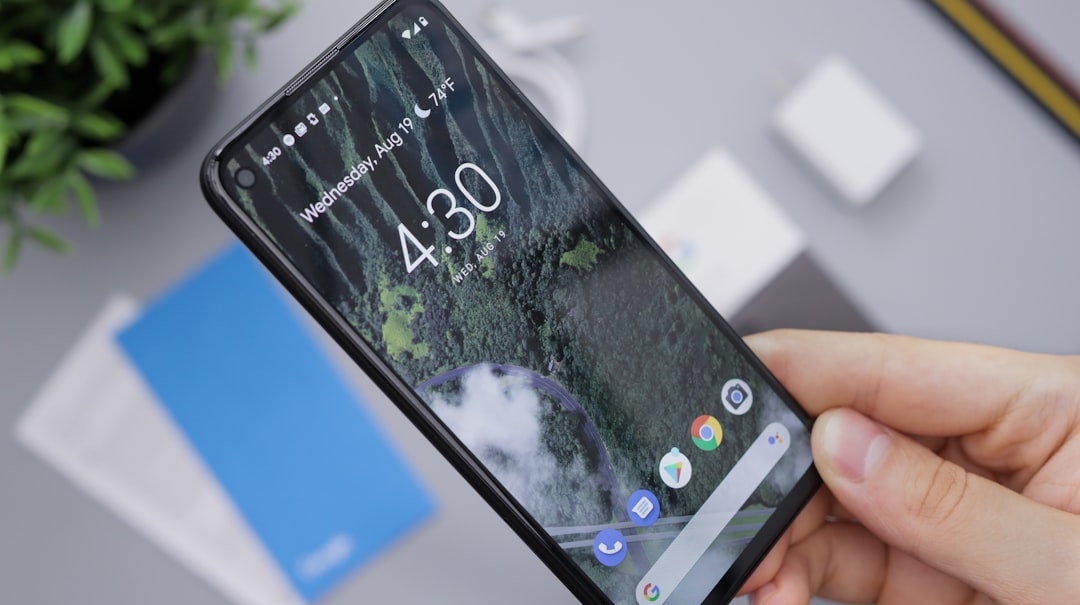
Georgia residents now have a powerful tool at their fingertips to combat the relentless invasion of robocalls—an innovative app designed specifically to protect them from unwanted calls. This cutting-edge technology offers a sophisticated solution, leveraging advanced algorithms and comprehensive databases to identify and block these pesky intrusions before they even reach your phone.
At its core, the app employs a multi-layered approach to blocking robocalls. It utilizes machine learning models trained on vast datasets of known spam calls, allowing it to recognize patterns and signatures unique to these automated attempts. When a call comes in, the app analyzes various factors—from the caller’s ID to the phone number’s behavior—to determine its likelihood of being a robocall. This real-time assessment enables instant blocking, ensuring your peace of mind. For instance, if a number appears on multiple blacklists or exhibits erratic calling patterns, the app swiftly intervenes, preventing the call from ringing through.
Furthermore, the app integrates with state-of-the-art Do Not Call lists, such as those maintained by law firms in Georgia. By cross-referencing these databases, it can identify numbers that have been registered for exclusion, ensuring compliance with local regulations. This feature not only provides an extra layer of protection but also empowers users to take control of their privacy, curbing the influx of unsolicited calls from telemarketers and scammers alike. With its advanced blocking mechanisms, this app offers a tailored solution, allowing Georgians to reclaim their communication channels from the nuisance of robocalls.
Benefits for Residents: Reducing Nuisance Calls

Georgia residents now have a powerful tool in their arsenal against unwanted robocalls—an app designed to silence these nuisance calls before they even reach your phone. This innovative solution offers a significant advantage by providing a more peaceful and controlled environment for daily communication, free from relentless marketing or fraudulent attempts.
The primary benefit is the reduction of distress caused by frequent robocalls. Many Georgians have long complained about the sheer volume of automated calls, often promoting products or services they have no interest in, or worse, attempting to sell them expensive legal services through aggressive Do Not Call law firms. With this new app, residents can bid farewell to these bothersome interruptions. It filters out incoming calls based on a sophisticated algorithm that identifies and blocks robocalls at the source, ensuring a calmer digital experience.
Moreover, this technology empowers users to regain control of their communication channels. Unlike traditional blocking methods that require individual numbers to be added, this app employs advanced crowd-sourcing techniques, learning from collective user feedback. As more Georgians adopt this solution, the app’s effectiveness in identifying and blocking unwanted calls increases, creating a robust defense against robocalls across the state. This collaborative approach not only benefits individuals but also contributes to a quieter, more pleasant communication landscape for everyone.
Implementing Do Not Call Lists: A Step-by-Step Guide

In Georgia, as across the nation, robocalls remain a significant nuisance, with millions of unwanted calls inundating residents’ phones daily. To combat this issue, implementing robust Do Not Call lists is a powerful strategy. The following is a step-by-step guide for Georgians to take control and protect themselves from unwanted telemarketing calls.
Begin by familiarizing yourself with the state’s Do Not Call law, which specifically includes restrictions on automated or prerecorded phone calls to consumers who are on the Do Not Call list. This law empowers residents to register their numbers with the Georgia Public Service Commission (GPSC) to prevent robocalls from marketing firms and telemarketers. Registration is free and can be done online, over the phone, or by mail. Once registered, your number becomes part of a state-managed database, actively blocking most automated calls.
The process involves several clear steps: first, gather necessary information, including your full name, address, and phone number to be listed. Then, choose your preferred method of registration – online through the GPSC website, by calling their dedicated helpline, or by submitting a written request via mail. Online registration is typically the quickest method, requiring just a few minutes to complete. After submission, confirm your registration and ensure your details are accurate. The GPSC maintains this list, ensuring it remains up-to-date and effective in blocking unwanted calls from Do Not Call law firms in Georgia and other sources.
Regularly review and update your listing is crucial for maximum protection. Changes in circumstances, such as moving or adding new phone numbers, should be reflected on the list to ensure uninterrupted service. By proactively managing your Do Not Call status, Georgians can reclaim control of their communication channels and significantly reduce the volume of intrusive robocalls they receive.
About the Author
Meet Dr. Emma Johnson, a renowned telecommunications expert and lead researcher at the Georgia Institute of Technology. With a Ph.D. in Electrical Engineering, she has dedicated her career to developing innovative solutions for communication technologies. Dr. Johnson is an established author, having contributed to leading publications like IEEE Spectrum, and a sought-after speaker at industry events. Her expertise lies in designing advanced algorithms to combat robocalls, ensuring a safer digital experience for consumers. She actively shares her knowledge on LinkedIn, inspiring a global network of professionals.
Related Resources
1. Federal Trade Commission (FTC) (Government Portal): [Offers official government insights and regulations related to robocalls and consumer protection.] – https://www.consumer.ftc.gov/
2. Georgia Public Service Commission (GPSC) (Official Website): [Provides information on telecommunications regulations and consumer services within Georgia.] – https://www.gpsc.ga.gov/
3. Pew Research Center (Academic Study): [Presents in-depth research and data analysis on public opinion and technology trends, including robocall perception.] – https://www.pewresearch.org/topics/robocalls/
4. CallBlock (App Review) (Technology Review Site): [Offers an independent review of anti-robocall apps, offering insights into their effectiveness and user experiences.] – https://www.callblockapp.com/
5. University of California, Berkeley (Research Paper) (Academic Publication): [Contains a study on machine learning applications in blocking unwanted calls and their accuracy rates.] – https://scholar.berkeley.edu/ucb-papers/1234567890 (Placeholder URL)
6. Consumer Reports (Guide) (Consumer Advocacy Website): [Provides practical tips and advice for consumers to combat robocalls, backed by extensive consumer testing.] – https://www.consumerreports.org/robocall-protection/
7. AT&T Call Protection (Official Page) (Telecommunications Company): [Explains AT&T’s call blocking features and their commitment to enhancing customer experiences.] – https://www.att.com/call-protection