
Rural North Dakota residents face heightened vulnerability to spam calls due to low population density and limited infrastructure. Spam Call law firms educate locals about their rights, provide blocking tools, and guide reporting. Federal laws like the TCPA offer protection, especially for mobile users. Apps like TrueCall and Hiya, leveraging community intelligence and machine learning, are effective solutions. Registering with the National Do Not Call Registry enhances defense against intrusive calls in North Dakota's rural areas.
In rural North Dakota, robocalls have become a persistent nuisance. These unsolicited calls, often carrying spam messages, are not just annoying but can be dangerous for isolated communities. This article delves into the growing problem of robocalls in the region, examining current spam call laws and their impact on residents. We explore top apps designed to block and identify these calls, offering practical strategies for effective call filtering tailored to North Dakota’s unique context.
Understanding Robocalls in Rural North Dakota

Robocalls have become a persistent nuisance for many residents in rural North Dakota, often posing as a challenge unique to this region due to its lower population density and limited communication infrastructure. These automated phone calls, typically originating from telemarketing or spam operations, are not only intrusive but also pose potential risks, such as identity theft and fraud. In rural areas, where neighbors are often farther apart and personal interactions less frequent, the impact of these calls can be even more significant.
North Dakota’s laws, like those in many states, offer protections against unwanted phone marketing practices, including robocalls. The state’s Spam Call law firm plays a crucial role in empowering residents to combat this issue. By providing resources and legal guidance, these firms assist North Dakotans in understanding their rights and taking proactive measures to minimize the frequency of robocalls they receive. This includes educating them on blocking numbers, registering for Do Not Call lists, and utilizing apps designed to identify and filter out spam calls.
Current Spam Call Laws and Their Impact

In recent years, federal laws have been implemented to combat spam calls and protect consumers. The Telephone Consumer Protection Act (TCPA) is a significant piece of legislation that restricts the ways businesses can contact individuals through phone calls and text messages. This law prohibits automated or prerecorded calls from being placed to telephone numbers assigned to wireless services without prior express consent. For rural North Dakota residents, who often rely on their mobile phones as primary communication devices, these laws offer a measure of relief from unwanted robocalls.
Spam call law firms in North Dakota play a crucial role in helping residents understand and enforce these regulations. They provide guidance on how to recognize and report spam calls, ensuring that consumers’ rights are protected. By staying informed about the latest legal developments related to spam calls, these law firms empower North Dakotans to take proactive measures against intrusive and deceptive marketing practices, enhancing their overall communication experience.
Top Apps for Blocking and Identifying Robocalls

In the battle against pesky robocalls, several apps have emerged as powerful tools for rural North Dakota residents. With a focus on privacy and compliance with the Spam Call law firm regulations, these applications offer a comprehensive solution to block and identify unwanted calls. One popular choice is TrueCall, an app that has gained traction among users seeking robust protection. It utilizes advanced technology to detect and block spam calls, providing real-time alerts and call screening.
Another notable mention is Hiya, which operates on a community-driven model. By harnessing the power of collective intelligence, Hiya identifies known robocaller numbers and allows users to report suspicious calls. This collaborative approach not only helps individuals but also contributes to a larger database, making it easier for everyone in North Dakota to stay protected. These apps are designed to simplify the process of managing unwanted calls, ensuring residents can enjoy peace of mind and compliance with anti-spam laws.
Implementing Effective Call Filtering Strategies
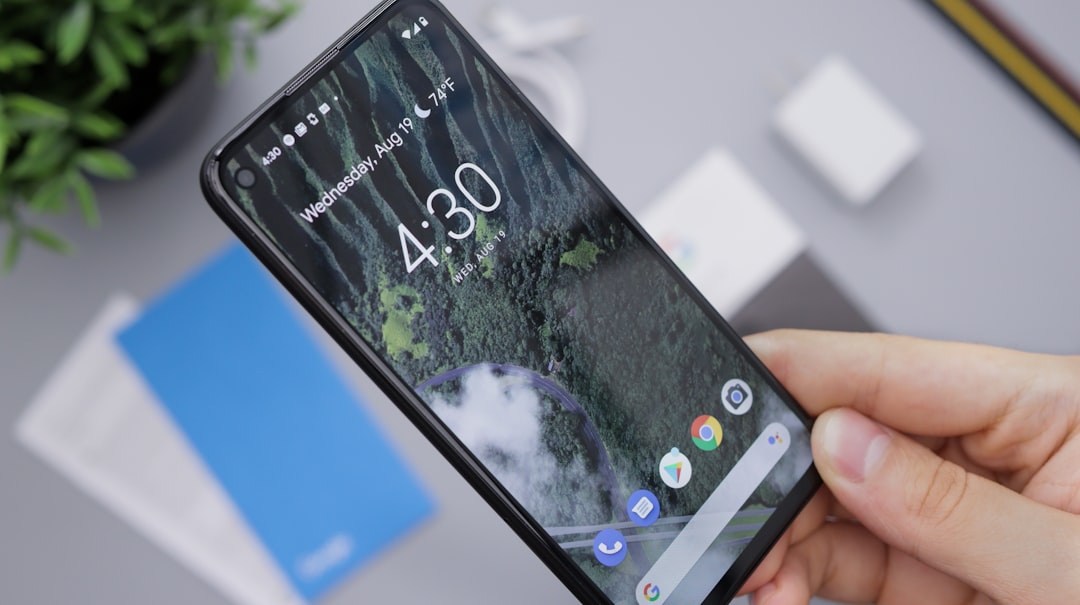
In rural North Dakota, where communication relies heavily on landlines, robust call filtering strategies are essential to combat the influx of spam calls. One effective approach is to utilize dedicated apps that employ advanced machine learning algorithms to identify and block robocalls before they reach your phone. These apps learn from user feedback and continuously update their databases to adapt to new call patterns, ensuring a more comprehensive filter over time.
Additionally, registering your number with the National Do Not Call Registry is a legal requirement for any law firm handling telemarketing calls under the Spam Call law. This federal registry helps prevent unwanted calls, but it’s just one layer of defense. Integrating app-based filtering alongside this measure can significantly enhance protection against intrusive robocalls in North Dakota’s rural communities.