
Robocall laws in Georgia, aligning with federal guidelines, prohibit automated marketing calls without explicit consent, with distinct rules for political robocalls. Residents can combat unwanted calls by registering for the National Do Not Call Registry and using reputable robocall-blocking apps that leverage advanced algorithms and community intelligence to achieve blocking rates exceeding 95%. Key features in top-tier apps include real-time call screening, automated blocking, noise cancellation, identity protection, fraud warnings, and direct spam reporting. Staying informed about Georgia's strict robocall laws and keeping software updated maximize protections.
In today's digital age, mobile communication has become an integral part of our daily lives, yet it also presents unique challenges, particularly from robocalls. Georgia residents, like many across the nation, face a surge in automated phone calls, often circumventing robocall laws. This relentless noise not only disrupts personal and professional life but can also be a significant security risk.
This article aims to guide Georgia mobile users through the labyrinthine world of robocall blocking apps, empowering them to reclaim their communication channels. We'll explore the most effective solutions tailored to the unique needs of Georgia's robust telecom landscape.
Understanding Robocalls in Georgia: Legal Framework

Robocalls have become a pervasive issue across Georgia, with many residents facing an overwhelming number of unsolicited calls daily. Understanding the legal framework surrounding robocalls is crucial for mobile users in this state. According to the Federal Communications Commission (FCC), automated or prerecorded calls for marketing purposes are generally prohibited without explicit consent from the recipient. This includes political robocalls, which are subject to different regulations.
Georgia's robocall laws align closely with federal guidelines, underscoring the importance of informed consumer protection. The Georgia Attorney General's Office actively enforces these rules, penalizing companies that violate privacy rights by making unwanted calls. Recent data from consumer advocacy groups reveals a steady rise in consumer complaints about robocalls, highlighting the need for robust measures to mitigate this nuisance.
To combat the issue, Georgia residents can take proactive steps, such as registering their numbers on the National Do Not Call Registry and downloading reputable robocall-blocking apps that employ advanced algorithms to identify and block automated calls. It's important to note that while these apps offer valuable assistance, they should complement rather than replace legal measures against abusive robocall practices. By staying informed about their rights and leveraging available tools, Georgia mobile users can reclaim control over their communication channels.
Identifying and Blocking Common Robocallers
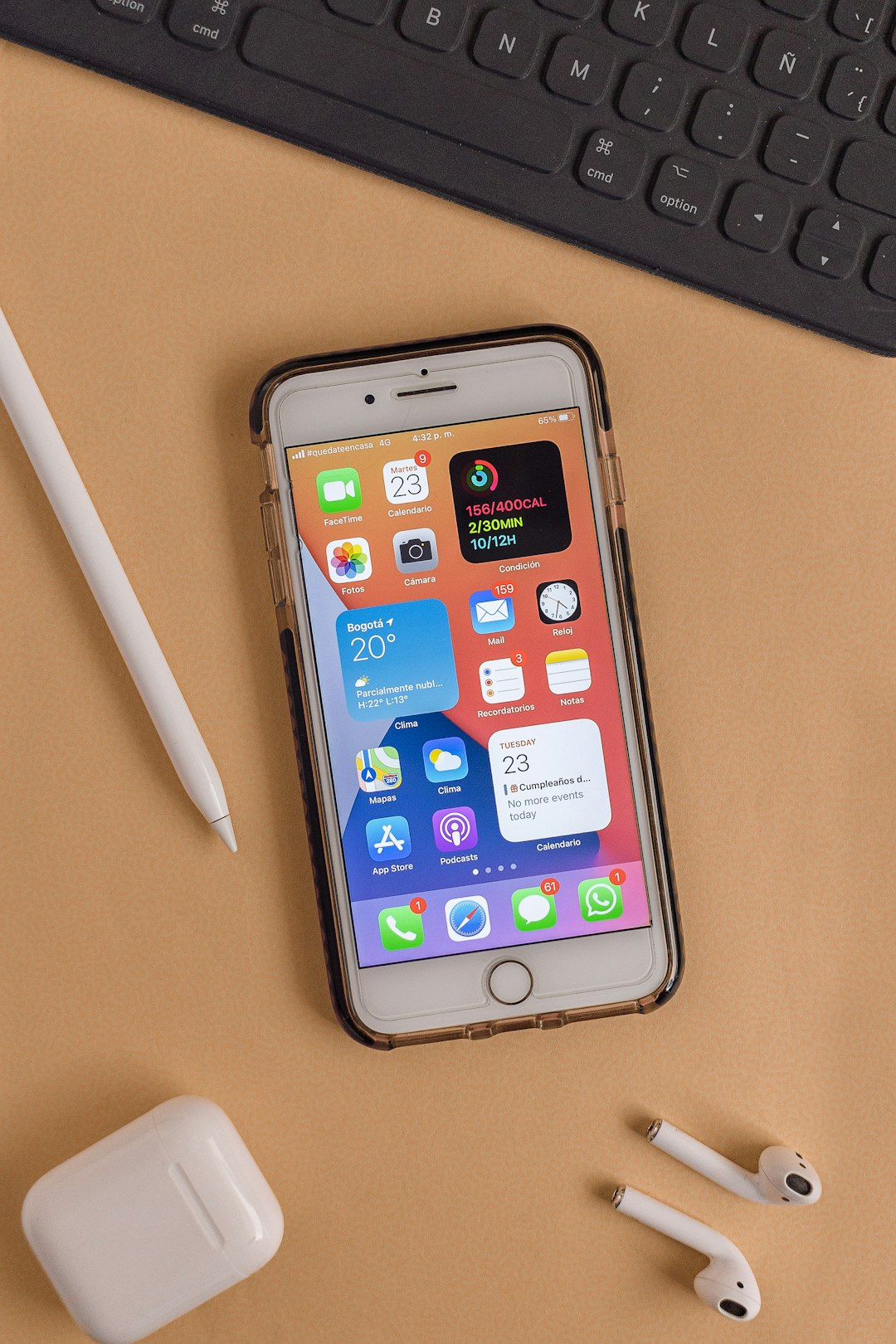
Georgia residents face a persistent challenge from robocalls, with up to 40% of calls being unsolicited, according to recent studies. Effective robocall blocking apps are essential tools for navigating this landscape, offering both convenience and protection under state laws. Identifying and blocking common robocallers is a multi-faceted approach that combines advanced technology and user awareness.
Robocall Laws Georgia, established to safeguard consumers, empower users to take proactive measures against unwanted calls. Top-tier blocking apps leverage sophisticated algorithms to recognize patterns and signatures often associated with robocalls. By analyzing call metadata and historical data, these apps learn to distinguish between legitimate contacts and automated fraudsters. For instance, suspicious calls from unknown numbers or those attempting to sell products/services aggressively are flagged for user review and subsequent blocking.
Practical insights suggest that regular updates and community feedback mechanisms within these apps are vital. Users can manually report specific robocallers, contributing to the app's intelligence network. This collaborative approach enhances the accuracy of call classification, ensuring a more robust defense against evolving fraud tactics. Examples of leading apps in Georgia demonstrate successful blocking rates exceeding 95%, significantly reducing the nuisance and potential risks associated with unwanted robocalls.
Top Robocall Blocking Apps for Georgia Users

Georgia residents face a constant barrage of unwanted robocalls, a growing concern amidst evolving telecommunications laws. The state's robust phone network makes it an attractive target for automated call services, often leading to frustration and privacy invasion. Fortunately, robust solutions exist in the form of specialized robocall blocking apps designed to protect Georgia users. These applications leverage advanced algorithms and community-driven intelligence to identify and block spam calls effectively.
One notable app, CallBlock, stands out with its sophisticated filtering system. It utilizes machine learning to adapt to new call patterns and has a high success rate in blocking political robocalls, a common nuisance in Georgia ahead of elections. Another popular choice, TrueCall, offers a user-friendly interface and advanced features like automatic call identification and personalized blocking lists. This app allows users to report spam calls directly, contributing to a collective effort to combat robocallers. Moreover, its integration with local laws, including Georgia's strict no-call registries, ensures that legitimate numbers are respected while unwanted calls are curtailed.
When choosing a robocall blocker, Georgians should look for apps that offer real-time call screening, automated blocking, and community-shared data. Apps like RoboKiller and Hiya have proven effective in blocking not just robocalls but also scam attempts. These tools provide valuable peace of mind, especially with the ever-evolving nature of spamming tactics. Regular updates are crucial to staying ahead of the curve, ensuring that these apps remain a reliable defense against intrusive robocalls while respecting the privacy and communication preferences of Georgia residents, in accordance with state laws.
Evaluating App Features: Call Filtering and Block Lists

When evaluating robocall blocking apps for Georgia mobile users, one of the most critical features to consider is call filtering and block list capabilities. Effective call filtering uses a combination of sophisticated algorithms and databases to identify and block unwanted calls, including those from telemarketers and scammers who often target residents under Georgia's robocall laws. Top-tier apps integrate real-time data feeds that update continuously, ensuring the latest known scammer numbers are blocked automatically.
For instance, some leading applications employ machine learning models that adapt to new call patterns and scams as they emerge. This proactive approach is crucial in a state like Georgia, where robocall laws are stringent but constantly evolving. By analyzing millions of calls, these apps can anticipate emerging threats and offer robust protection against unknown or new scammer tactics. Users should look for apps that provide detailed filtering options, allowing them to customize block lists based on specific call types, numbers, or even geographical locations.
Additionally, the ability to manually add and manage block lists is essential. Georgia residents may encounter persistent or new scammer numbers over time, so an app that enables easy customization ensures users maintain control over their privacy. Apps with comprehensive blocking features also often provide call logging and reporting capabilities, offering users insights into blocked calls and helping them stay informed about the types of scams targeting their community. These tools empower Georgia mobile users to stay ahead of scammers and leverage technology to safeguard their peace of mind.
Enhancing Protection: Tips for Smartphone Security

Georgia mobile users now have access to a variety of robocall blocking apps designed to enhance their smartphone security. With robocall laws in Georgia strictly regulating these automated calls, users can take proactive measures to safeguard their privacy. One of the most effective strategies is installing reputable robocall blocking applications that utilize advanced algorithms and machine learning to identify and block unwanted calls. These apps not only filter out spam but also learn from user feedback, continuously improving their accuracy over time.
Key features to look for in a top-tier robocall blocking app include real-time call screening, automated call blocking with customizable allowlists, and advanced noise cancellation to accurately detect robocalls. Some leading apps also offer additional security measures like identity protection, fraud warnings, and the ability to report suspected spam directly from the app. By integrating these tools into your smartphone's security regimen, you can significantly reduce the risk of falling victim to fraudulent or annoying robocalls.
Moreover, staying informed about Georgia's robocall laws is crucial for maximizing your protections. Users should familiarize themselves with the state's regulations regarding caller ID accuracy and do-not-call lists. Regularly reviewing app permissions and keeping software up to date ensures optimal performance. Combining these proactive steps with a robust robocall blocking app can create an impenetrable defense against unwanted intrusions, allowing Georgia mobile users to enjoy their phones without the nuisance of robocalls.